
Quebec’s Zoo Sauvage: A Unique Wildlife Adventure at Saint-Félicien Wild Zoo
Zoo Sauvage (Saint-Félicien Wild Zoo) isn’t simply a place to see animals; it’s a unique wildlife experience that takes most of a day to fully appreciate. Forget about preconceived notions of critters in cages. Most of the 5oo animals, representing 86 species, roam in relative freedom in natural environments created specifically for their needs. Sprawling over 1200 acres near Quebec’s Lac Saint-Jean, Zoo Sauvage ranks among the largest and most diversified zoos in North America.
A Sanctuary for Nature
An important feature is the zoo’s strong conservation ethic, with a mission of encouraging people to cherish nature and protect it. The way our tour guide, Mathieu, summarized it was, “We have to learn in order to know, know in order to love, and love in order to protect.”
The zoo has a beautiful forested setting near Saint-Félicien, a picturesque town on the west side of Lac Saint-Jean. It’s about 125 kilometres west of Saguenay, the region’s largest city, or around 280 kilometres north of Quebec City.
Its history dates to 1960, when former forest ranger Ghislain Gagnon and other like-minded partners transformed a former fox farm into a zoo. Over the years, it went through many stages of development and expansion.
“We are the biggest attraction in the Saguenay–Lac Saint-Jean region,” added Mathieu. “A typical year would bring around 160,000 visitors, with the peak period running from mid-July to mid-August. The zoo is open throughout the year, with winter being a much quieter time.”
We went in the summer season, and while many people were around, it never felt crowded because visitors are dispersed through the expansive grounds.
Exploring La Borealie
The zoo isn’t a haphazard collection of animals, but has a carefully curated collection that makes it unique. Its mission is fully devoted to representing the wildlife of La Boréalie, which refers to cold regions of the world where the average temperature of the coldest month is below -3 degrees Celsius. It encompasses both northern and southern regions, including mountains, tundra, boreal forest, grasslands, and more.
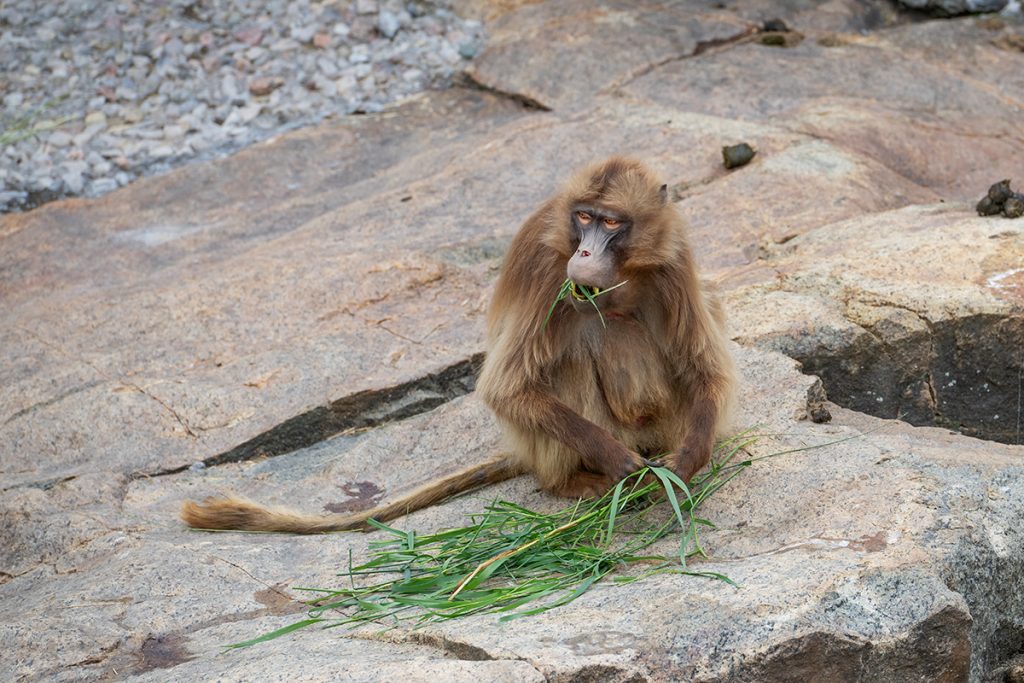
As expected, La Boréalie includes all of Canada and other countries that we normally think of as cold. But there are a few surprises, such as Ethiopia’s gelada baboons, which live not far from the equator. They survive the cold montane climate of the Simien Mountains at about 4,000 metres above sea level, eating mostly grasses. With their lustrous fur and a distinctive heart-shaped red spot on their chests, they are a crowd favourite.
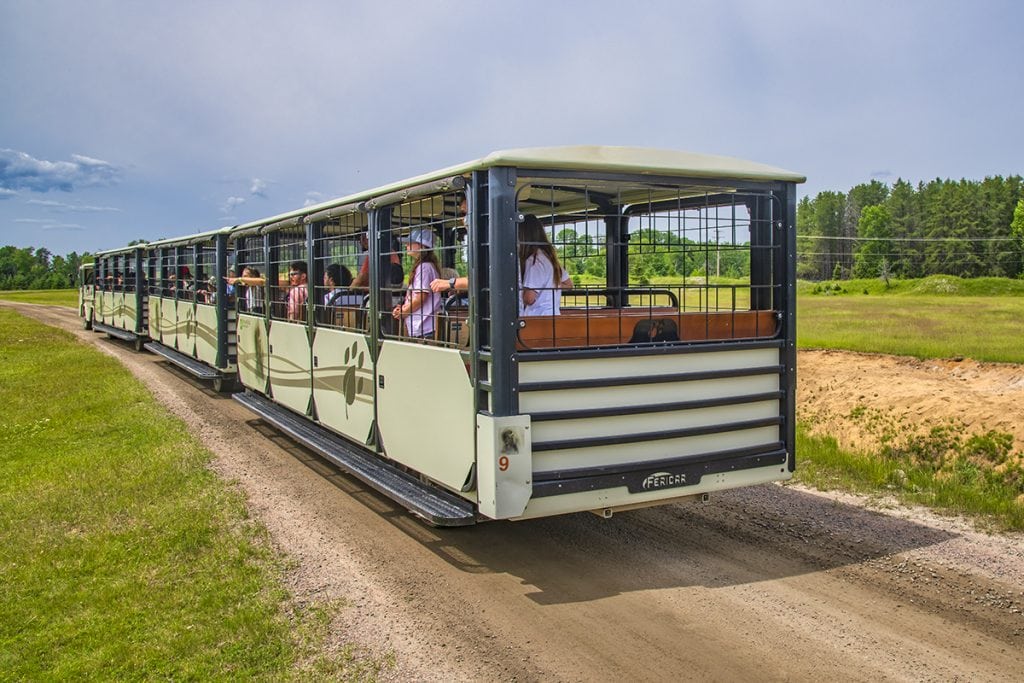
The Nature Park Trail
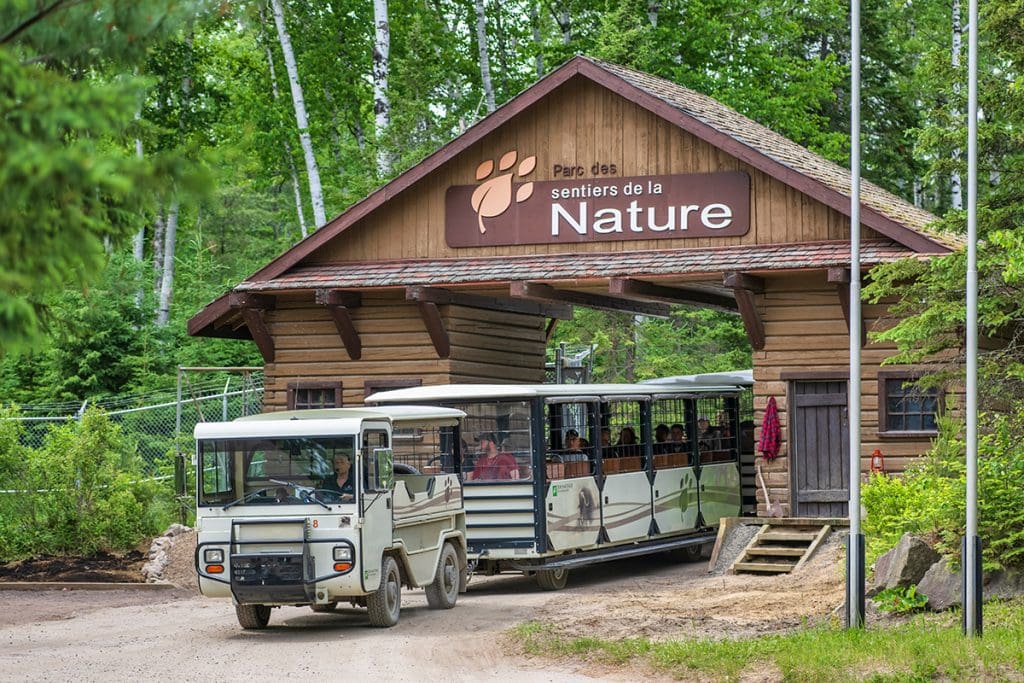
The Zoo is divided into two broad areas – where we walk to see the wildlife and where we ride. The latter is called Sentiers de la Nature, or Nature Trail, where we travel in the zoo’s “train”, open-air cars pulled by a truck along a seven-kilometre route through expansive wildlife enclosures.
Here, the tables are turned. We are the ones who are confined, while the animals roam in relative freedom in natural environments. There is no extra fee to ride the train, which takes about an hour to complete the circuit.
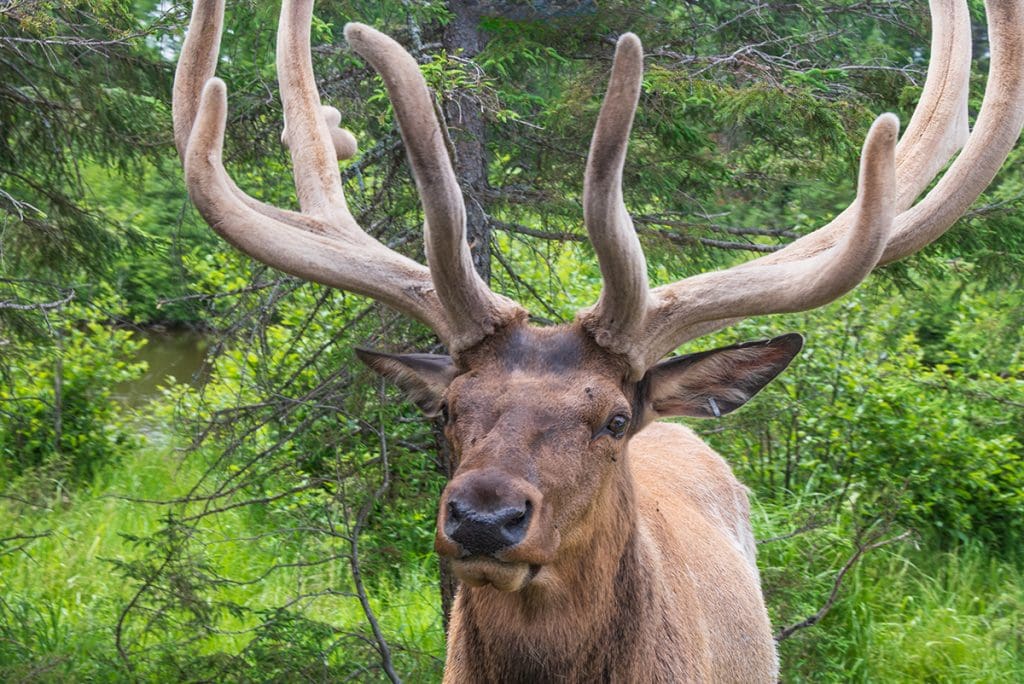
Visitors are not allowed to get off, but it’s easy to take photos from the open-air cars. We found it to be one of the best places anywhere to photograph a variety of wildlife in a controlled setting with a natural backdrop. Enclosures are natural-looking, and fences are hidden in the bushes. The ride felt more like a pleasant drive in the countryside, but with a lot of critters around every corner.
We had close encounters with North American animals. Rounding a curve in one habitat, we almost gasped when, all of a sudden, an enormous black bear was casually walking towards us. “That’s a pretty typical reaction,” quipped Mathieu, adding that there are 18 black bears at the park, including one that is over 30 years old.
A little farther along, a male elk with a massive rack of antlers just stood right beside the path, so close that we couldn’t photograph his entire head and antlers with a wide-angle lens. The animals are accustomed to seeing the trains and people, and appear to regard us as part of the landscape and part of their day.
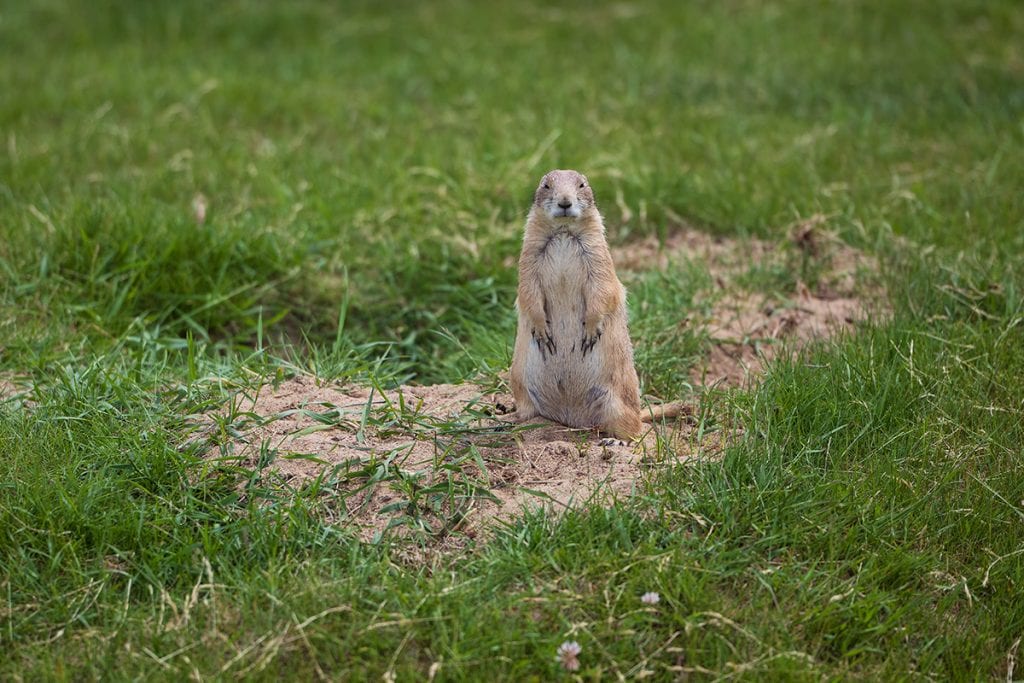
Peek-a-Boo Prairie Dogs
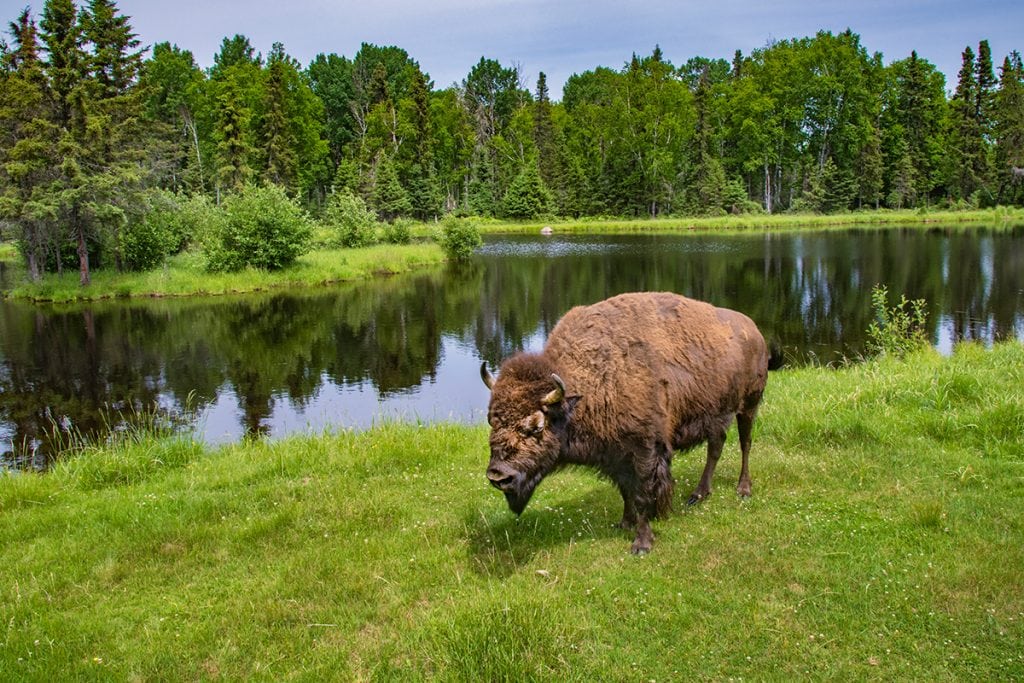
The zoo even has a habitat similar to what we find in prairie grasslands, complete with roaming bison and a resident population of black-tailed prairie dogs. The train passes right through the prairie dog colony, giving everyone a great chance to enjoy their antics as they scurry around, popping in and out of their volcano-like burrows, and grooming each other.
Living in proximity to the bison is natural for them; prairie dogs use discarded bison fur to line their burrows. They also help keep shrubs and trees from growing too tall, thereby encouraging grasses to grow, which the bison graze on.
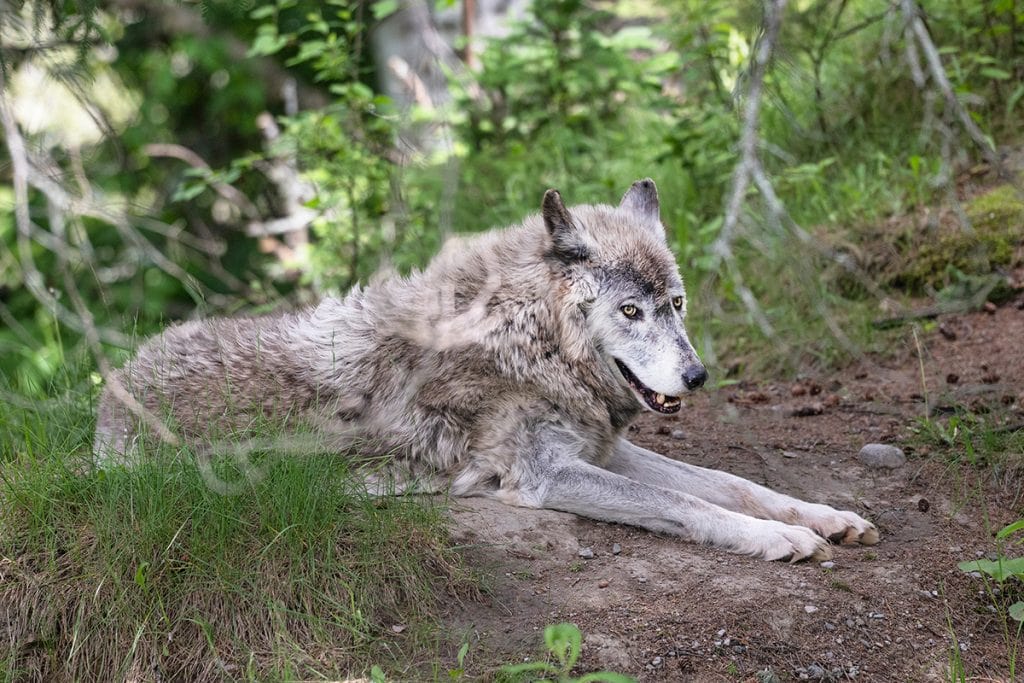
While some habitats have a mix of different animals, predators such as wolves are kept separately. We wondered why black bears and muskoxen were in the same area. “Black bears know their place,” explained Mathieu. “They know better than to attack the muskoxen.”
Mathieu had a lot of behind-the-scenes snippets about life at the zoo, for example, how muskoxen once charged some zoo vehicles. Then there was the time when wild trumpeter swans stopped at the lake, which had resident trumpeters. They decided to stay and became part of the environment. Wildlife feel at home here, and many, including bison, white-tailed deer, and elk, breed as they would in the wild.
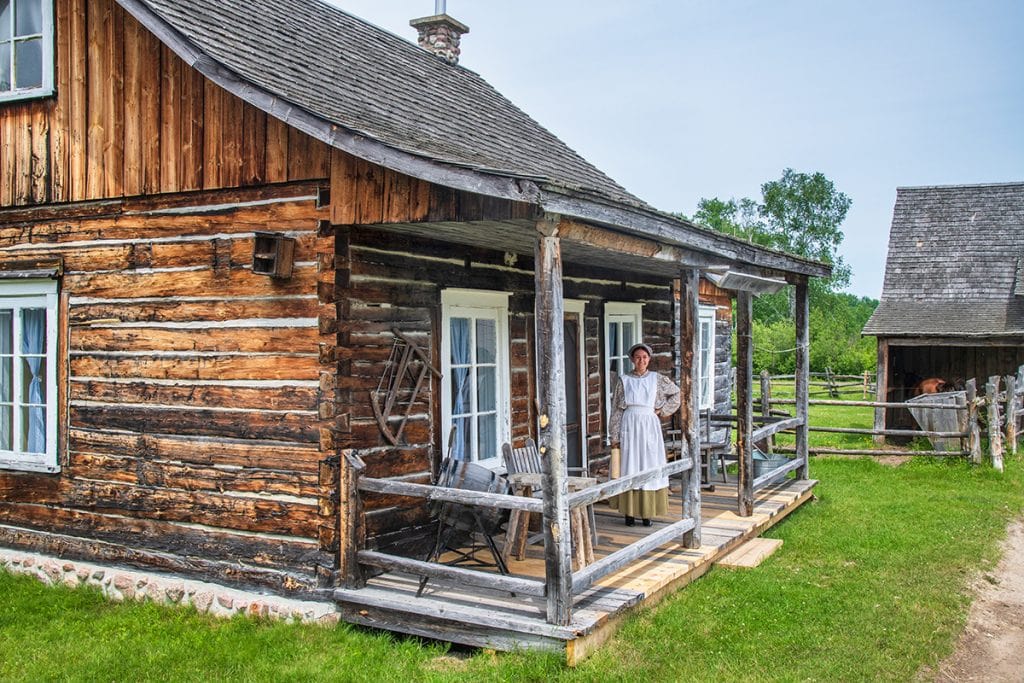
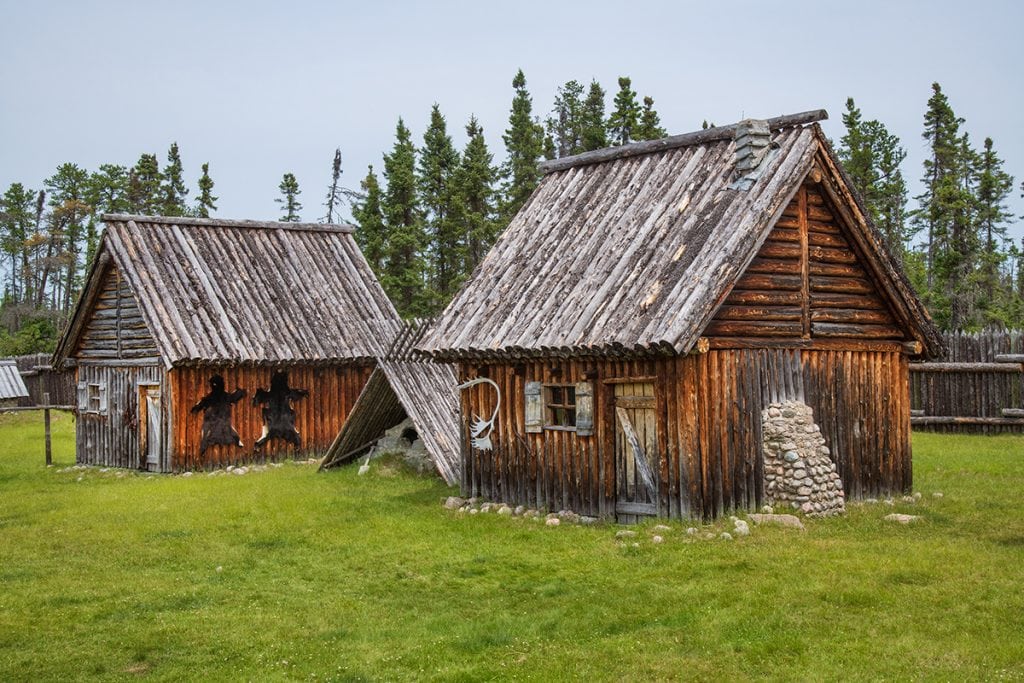
While most of the Nature Trail is natural habitat, there is a small human component, with buildings representing the history of the area, such as at the ranch house, a trading post, a tipi, a lumberjack camp, and a farm.
A Walk on the Wild Side
After the train ride, it was time to walk to the other sectors. Over 4.5 kilometres of wide walkways wind throughout the zoo, complete with viewing platforms and benches. Pathways are suitable for those with strollers or wheelchairs.
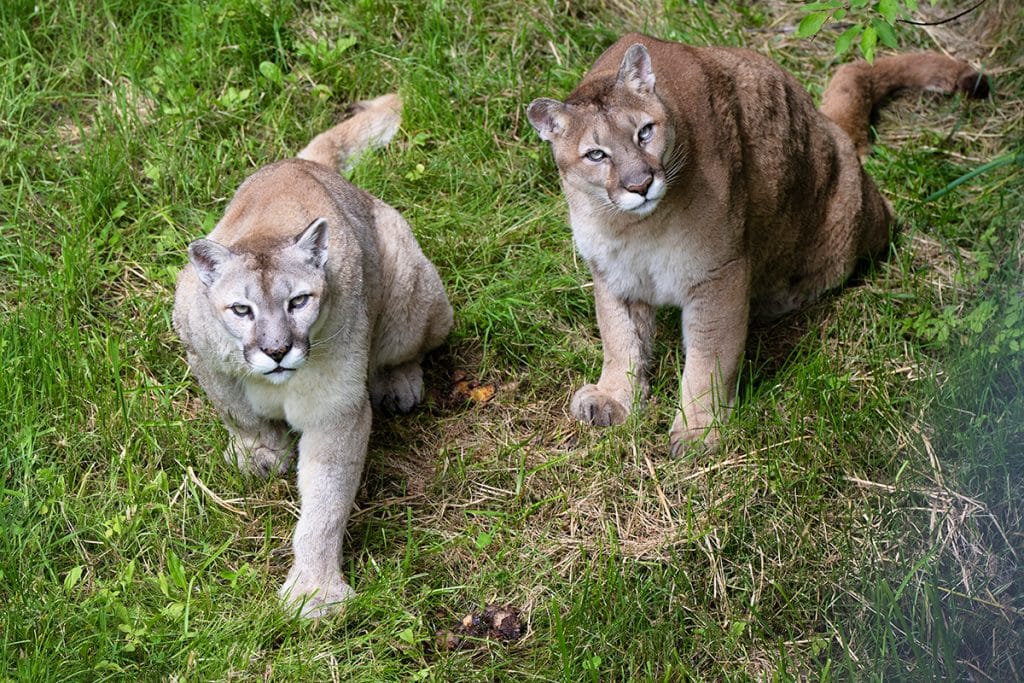
We consulted our zoo map to decide where to head next, and noticed that a presentation on polar bears was coming up before long. But we had just enough time to wander through the Rocky Mountain habitat to see mountain goats, lynx, cougars, and grizzly bears along the way.
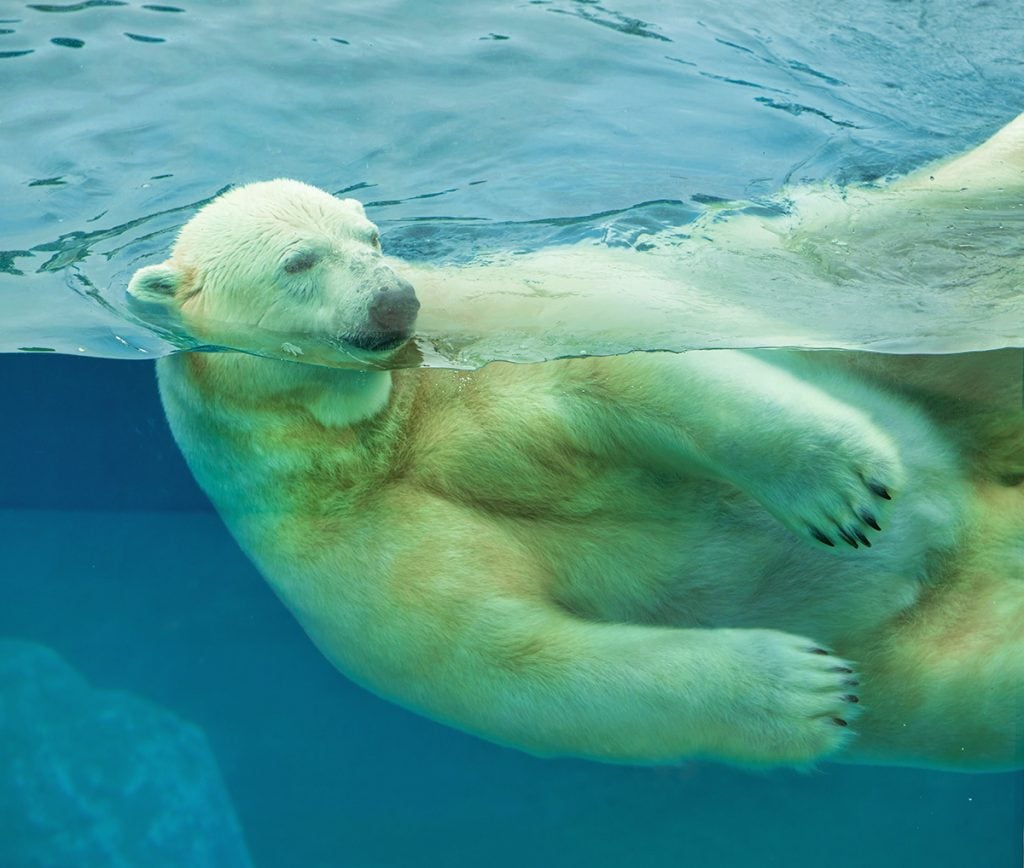
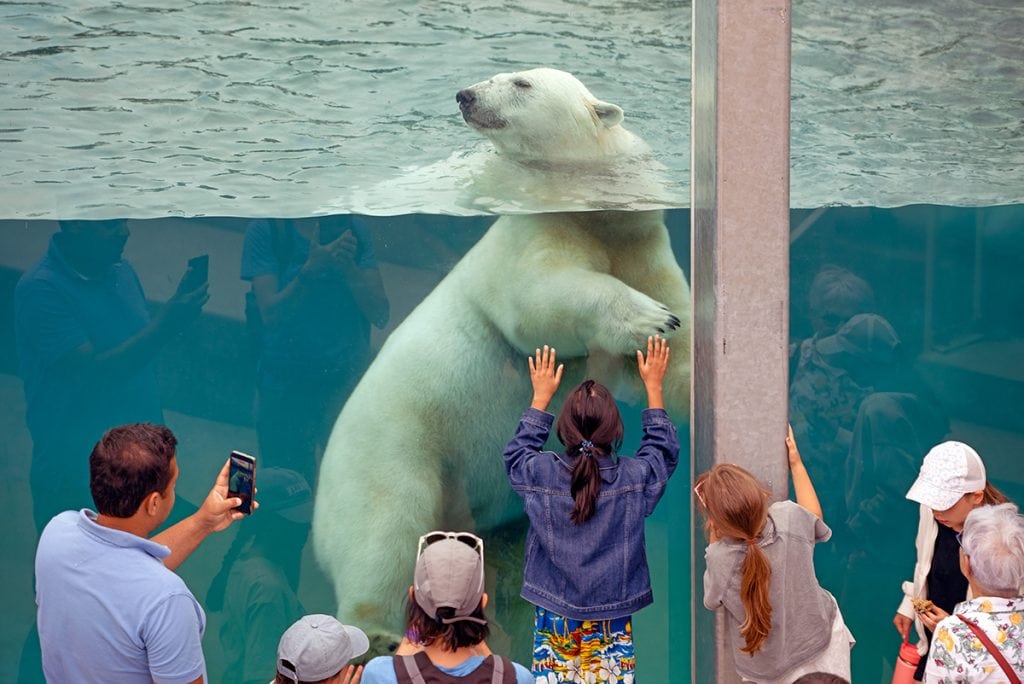
The specially designed polar bear enclosure, complete with a below-water window, is a top attraction. Everyone had a fantastic view of the pool where the bears swam at ease, twisting and turning effortlessly as an attendant tossed bits of food for them to pick up in the water. The commentary touched on their range, diet, swimming prowess, strength, and especially how they are threatened by climate change.
Polar bear births have occurred several times at the zoo, including two cubs within two weeks in 2018 to different mothers. The zoo championed the rare events as major contributions towards genetic diversity for the species. And of course, the young cubs became wildly popular once they were ready to greet the public.
Who Doesn’t Love Red Pandas?
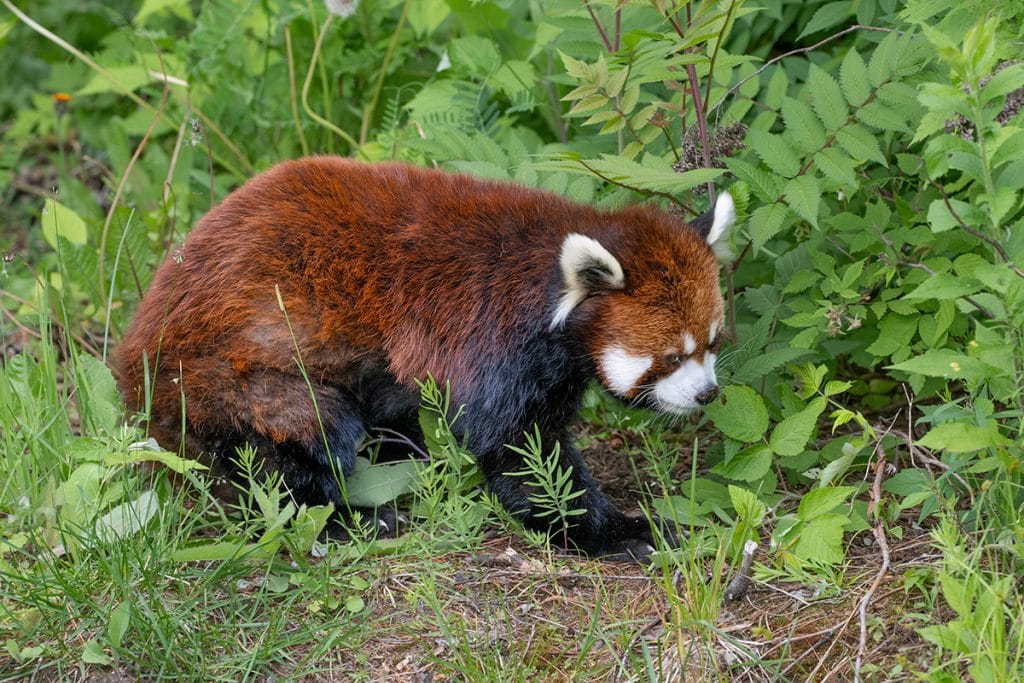
Not far away, we could hear kids squealing with laughter and oohs and aahs from the crowd. Must be the red pandas, we assumed. Since they arrived at the zoo a few years ago, red pandas have captured the hearts of visitors from around the world. About the size of raccoons, red pandas have a cute cat-like face marked by streaks of white and black, dense dark red fur, and a long ringed tail. Extremely agile, they forage in the forest canopies of their Himalayan homeland. Stop by at feeding time when an attendant is around to tell you more about them.
Where Tigers Roam
The Eastern Asia habitat is home to the Amur Tiger and a group of Japanese Macaques. Amur tigers are massive, as we could see from looking down at the huge cat from a platform high above its enclosure. Now endangered, there are only a few hundred left in the wild, mainly in northeast Russia and China.
While the tiger appeared quite sleepy and relaxed, the Japanese Macaques were anything but. Native to Japan, they are also called snow monkeys and are the northernmost-living non-human primate in the world. We watched as they groomed each other and played and climbed.
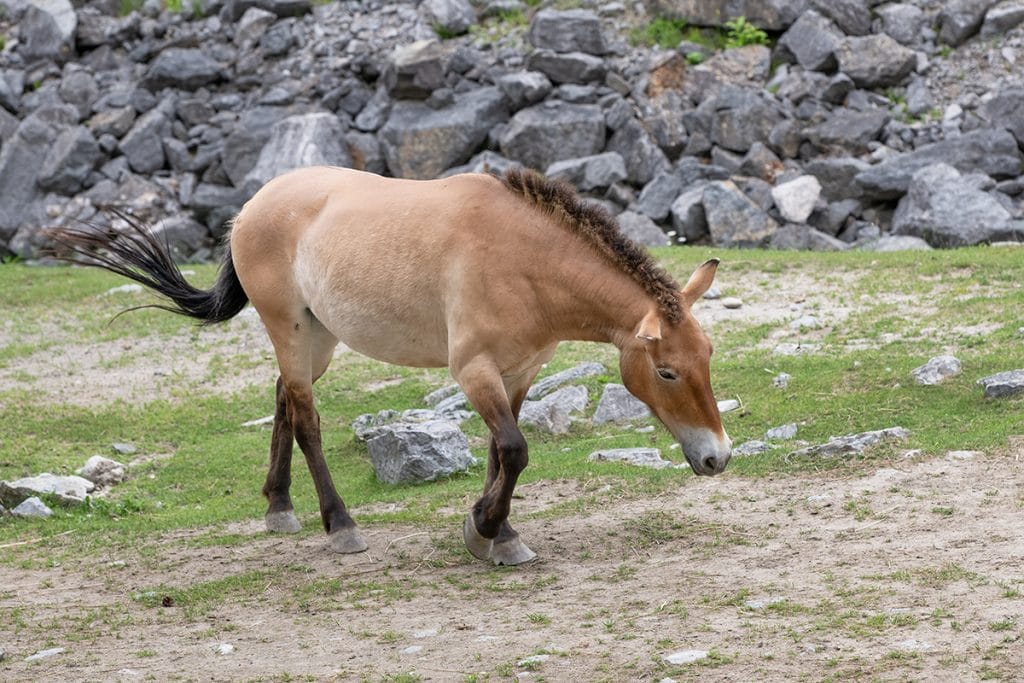
The World’s Last Wild Horse
Native to Mongolia and China, Przewalski’s horse is considered the last surviving true wild horse. About the size of a pony, it has a short mane, a stocky build, and a thick reddish or yellowish coat. Extremely rare, the horse became extinct in the wild. But captive breeding programs in zoos and extensive conservation efforts have succeeded in reintroducing them to their native Mongolian habitat.
Also in this area, we learned about Bactrian camels, which are well-suited to cold weather since they can store fat in their two humps, shaggy-looking yaks with their thick, warm coats, and Siberian ibex with their distinctive curled horns.
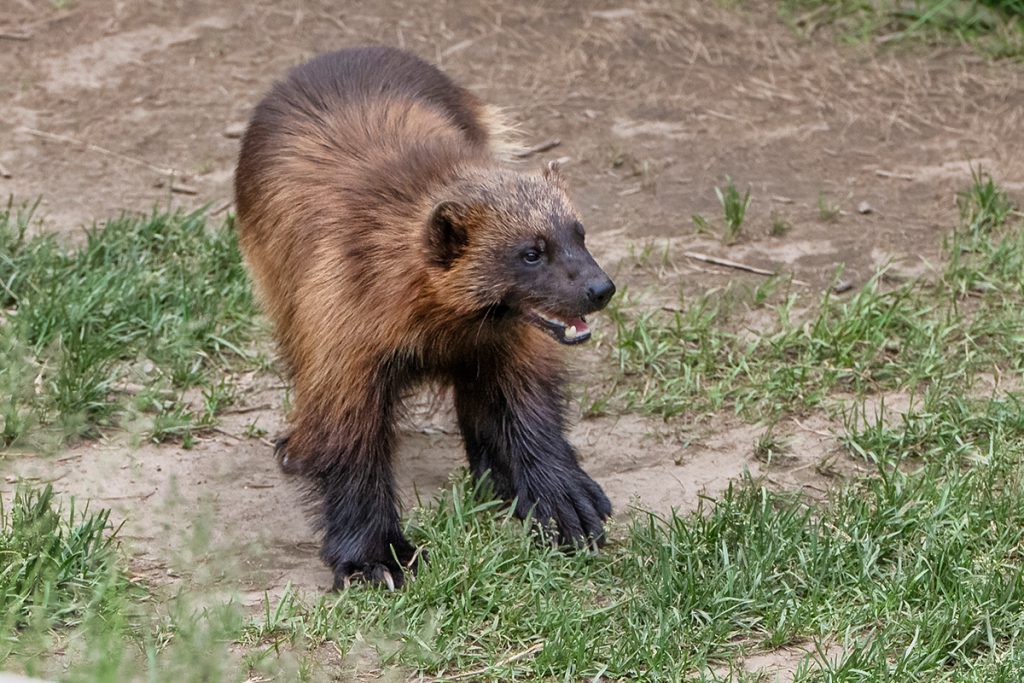
If we had to pick an animal that impressed us most, it would be the wolverine. These almost mythical creatures live in circumpolar regions around the world, including many parts of northern Canada. They are notoriously elusive and secretive. Few people, including us, have ever seen them in the wild. Yet here they were. Their enclosure was large and unobtrusive, the closest most people can get to watching these fascinating creatures in a natural setting.
How to Visit Zoo Sauvage
It’s best to devote an entire day to the zoo if possible. You can grab a snack or have a full meal at the restaurant, or bring a picnic lunch. We would recommend starting with the train experience, a definite highlight, and then branching out from there according to your interests. Keep an eye on the feeding schedule for animals such as the polar bear or red pandas, since attendants will be on hand to tell you more about the animals.
The zoo is open year-round, with a few exceptions such as Christmas and New Year’s. A bonus of coming in winter is that tickets are 50% off.
Want more things to do in Quebec? Check out our articles below…