
Top Things to Do in the Magdalen Islands (Îles de la Madeleine)

The Magdalen Islands are the best-kept secret of Quebec. Set in the middle of the Gulf of St. Lawrence, the Magdalen Islands (Îles de la Madeleine), also known as Maggy to locals, are a chain of 12 islands that have everything to fall in love with. The dramatic red sandstone cliffs, beaches, rolling dunes, colourful fishing villages, delicious seafood, and a strong Acadian culture make this Quebec archipelago one of Canada’s most underrated destinations. Whether you’re chasing outdoor adventures, cultural experiences, or slow coastal living, here are the top things to do in the Magdalen Islands.
1. Explore the beaches
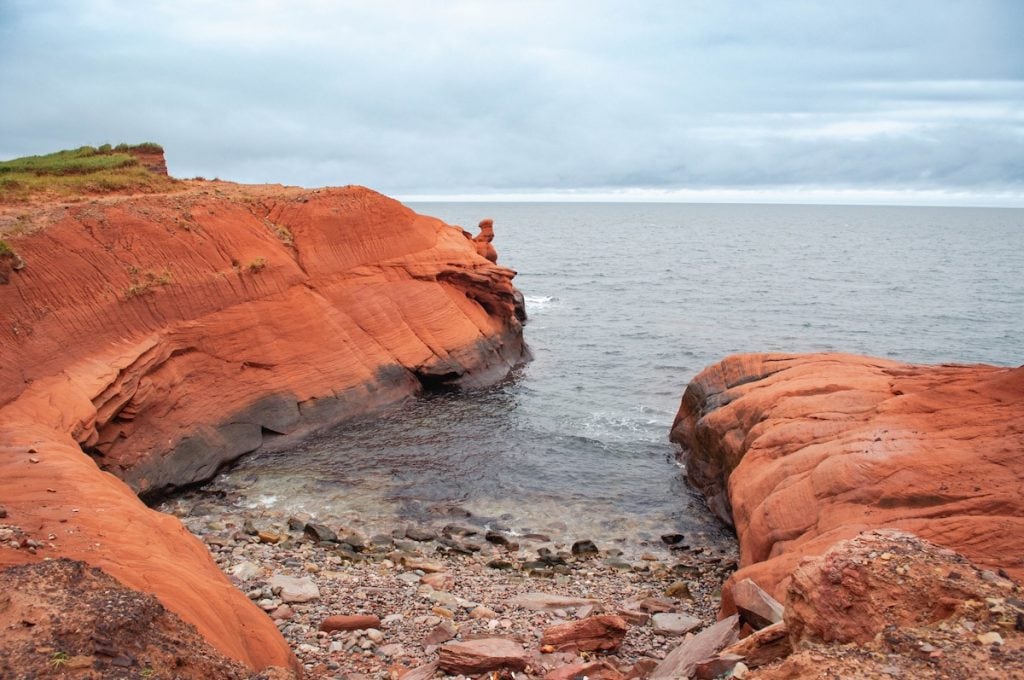
The Magdalen Islands are renowned for their extensive, rugged beaches. Combined, the islands have over 300 km of sandy beaches. Each island has its own vibe, from calm lagoons to wave-battered shores. With that many km of coastline, you’ll need to know where to go.
The most popular beaches are:
- Old Harry (Grande-Échouerie in French): This beach has been voted the most beautiful beach for several years. The reason this beach is considered one of the most beautiful is its multicoloured pebbles, which contrast with the white sand.
- Dune Du Sud (Cormorandière): This beach has 22 km of white sand with beautiful red cliffs beside it.
- Dune De L’Ouest: This beach is known for its beautiful sunsets.
- Pointe-Aux-Loups: This beach has some of the warmest waters of the archipelago and is a whopping 16.5 km long.
- Plage de La Martinique: This beach is one of the most popular beaches due to its beautiful turquoise waters and because it connects the southernmost island to the northern islands.
- Havre-Aubert Beach: This beach is where the famous yearly sandcastle contest is held each August. The contest is the largest amateur sandcastle contest in the world and has been in place for the past 25 years.
2. Enjoy Kayaking, Windsurfing, and kitesurfing
While the beaches are great to unwind, the water might be a little cold, which may not be a problem if you’re the adventurous type. The archipelago is known for its numerous water activities. Sea kayaking or paddleboarding is one of the best ways to experience the islands. Paddle along towering cliffs, sea caves, and hidden coves. If you don’t have your own kayak or lack the experience, you can get a guided tour to learn about local geology and wildlife while having the safety of a professional by your side. The tours are recommended for beginners, as weather conditions can change quickly. For those into Kitesurfing and windsurfing, the consistent winds and shallow lagoons make the islands one of the top destinations in Canada for these adventurous sports. The go-to places are Havre-aux-Maisons lagoon and Havre-Aubert. You can use your own equipment or rent it. There are also classes that you can take if you’re new to the sport.
3. Admire the Red Cliffs
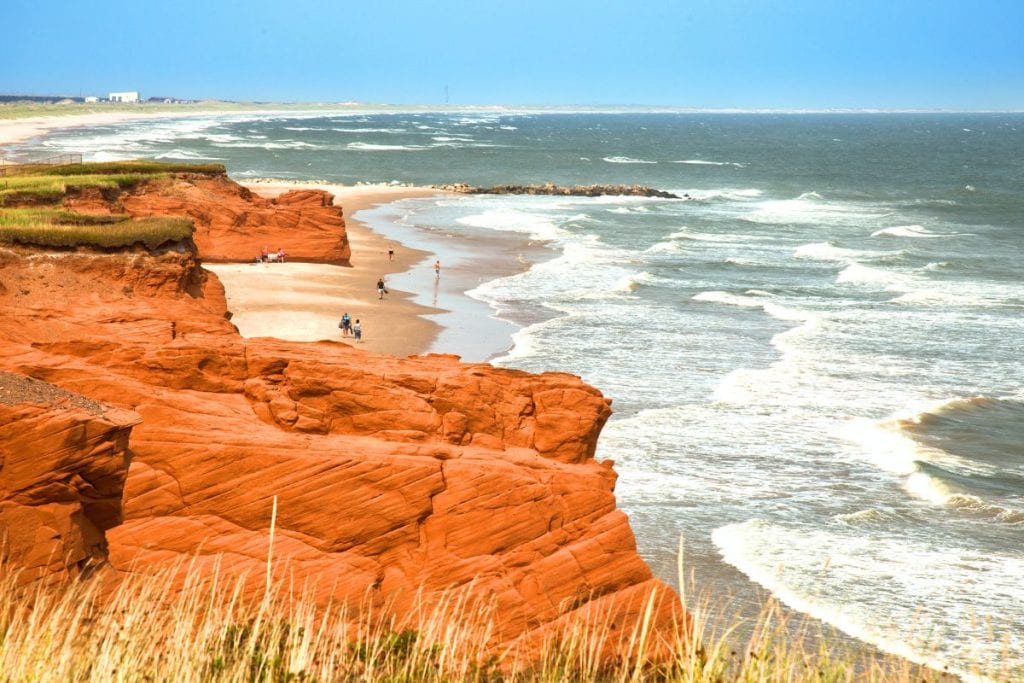
The iconic red sandstone cliffs are one of the island’s most striking features. Carved by wind and waves, they glow in warm tones of orange and rust, especially at golden hour. The best viewpoints are Belle Anse (Cap-aux-Meules) and Étang-du-Nord cliffs. Unfortunately, the islands have significant erosion. In fact, the land loses half a metre each year, and it is getting worse due to climate change. You must stay on the marked paths and follow the signs, as erosion can weaken the edges and cause them to collapse into the water.
4. Visit the Lighthouses and La Grave
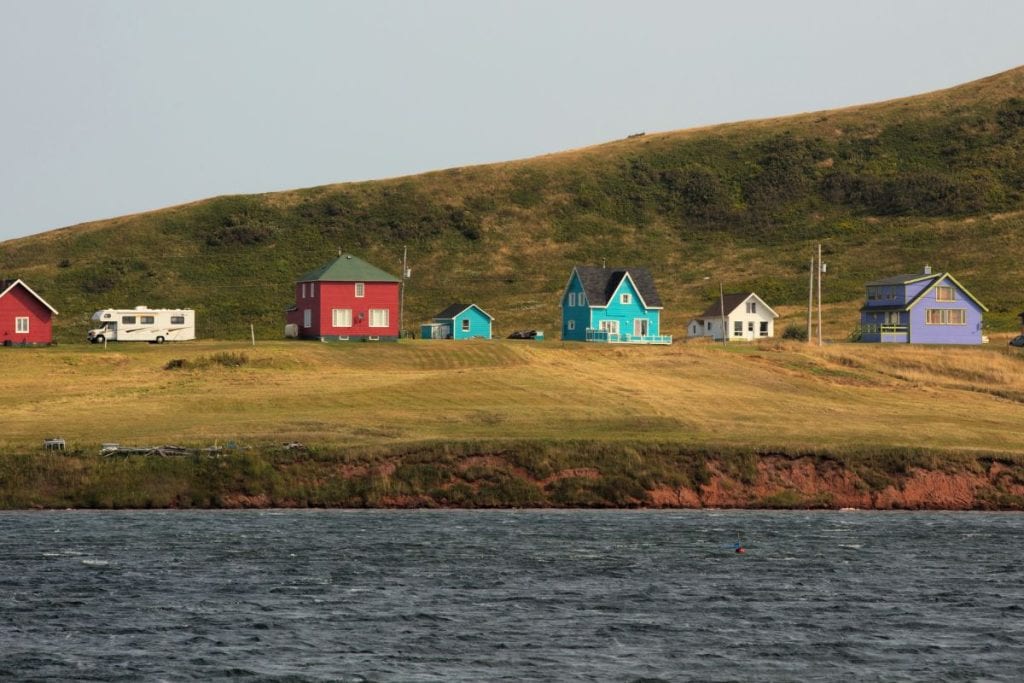
The archipelago has an important historical site, La Grave. It is one of the most iconic and picturesque areas of the Magdalen Islands. Located in Havre-Aubert, this historic fishing hamlet features colourful wooden buildings, old fishermen’s sheds, and stunning views over the harbour. The site was listed as a provincial heritage site in 1983 by the ministère de la Culture et des Communications because it was the Islands’ first settlement as well as the beginning of the archipelago’s fishery. Today, La Grave is a lively cultural hub filled with artisan boutiques, galleries, cafés, and small museums. It’s the perfect place to shop for local crafts and souvenirs. Enjoy a meal or coffee with a waterfront view.
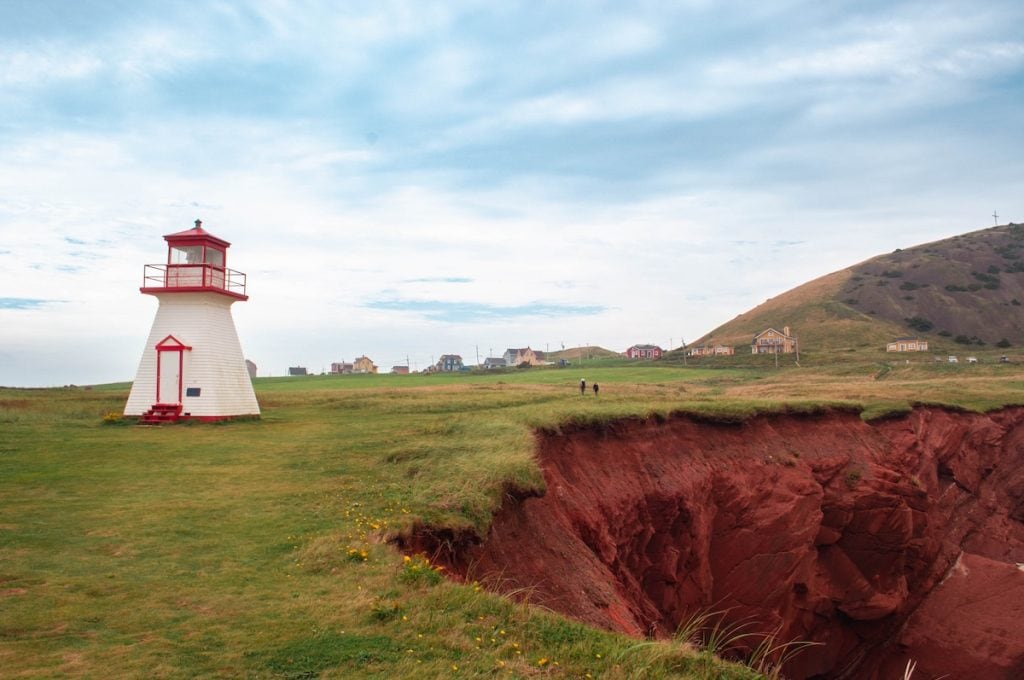
If you like architecture and historical sites, then visiting one of the lighthouses will be a must. The 5 lighthouses are scattered across the archipelago and offer some of the best viewpoints on the islands.
The most popular lighthouses are:
- Cap Alright Lighthouse: The smallest of the bunch, this lighthouse is dramatically located on a cliff with sweeping ocean views.
- Anse-à-la-Cabane Lighthouse: This is one of the oldest in Quebec and comes with a rich maritime history. The premises are home to the William-Cormier Heritage Park, the lighthouse interpretation center of the Maggies.

5. Follow the Magdalen Islands Food Trail
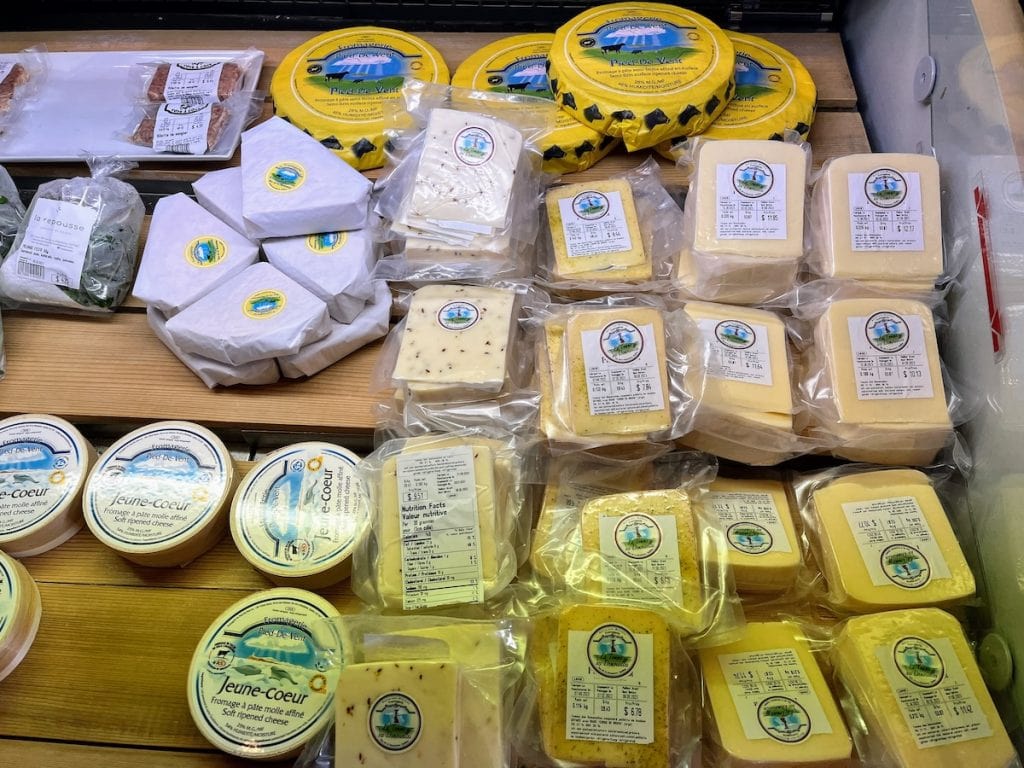
The Maggies have delicious food, and because they know you want to try it, they made a food trail so you can stop at different places to taste the different products, meet the local producers, and learn about island traditions. The trail takes you to breweries, cheese shops like Fromagerie du Pied-de-Vent, smoked herring production, apple picking, honey making, aquaculture, and more. You can follow the trail by car or bike, following the maps at your own pace and choosing where to stop.
6. Try a Pot-en-Pot or Seal Meat
Food is a highlight of any trip to the Magdalen Islands. Fresh seafood dominates menus with the lobster and snow crab when in season.
However, Pot-en-pot is a true signature dish of the archipelago. This savoury dish is similar to a meat pie but lighter, often made with chicken or seafood, slow-cooked in a creamy sauce and topped with flaky pastry. It’s a staple at family gatherings and local restaurants, especially on cooler days.
Seal meat is another historic island food, deeply tied to the Magdalen Islands’ maritime traditions. For generations, seal hunting has played a crucial role in the local economy and food supply, particularly during harsh winters. Today, seal meat is enjoyed in moderation and is often compared to lean, gamey red meat.
7. Cycle Between the Islands
The islands are connected by scenic sand dunes and causeways, making cycling one of the best ways to get around. The terrain is mostly flat, and the views are incredible. You can rent bikes locally or bring your own. Even short rides offer sweeping ocean views on both sides of the road.
8. Hike to Scenic Lookouts
While the Magdalen Islands aren’t mountainous, they offer several beautiful hiking trails. One of the most popular trails is Butte du Vent, which is one of the highest points on the islands. The trail has panoramic views over dunes, lagoons, and the open sea. Cap Alright is another great option, offering a scenic coastal walk with dramatic cliffs. This trail is a little windy, though, so keep that in mind. The Belle Anse trail is short, but provides the perfect place for sunset hikes. Most hikes are relatively easy and well-marked, making them suitable for all fitness levels.
9. Discover Local Art and Acadian Culture
The Magdalen Islands have a strong Acadian identity that shapes daily life, language, music, and traditions. Across the archipelago, you’ll find local galleries, craft shops, and cultural centres showcasing work by island artists. Expect handmade pottery, jewellery, textiles, photography, and paintings that often draw inspiration from the sea, fishing life, and coastal scenery. To better understand the islands’ history, visit museums and interpretation centres that explore Acadian settlement, maritime traditions, and the importance of fishing to the local economy. Live music, storytelling, and seasonal festivals also play a key role in keeping traditions alive, especially during the summer months.
10. Go Wildlife Watching
The Magdalen Islands are a fantastic destination for wildlife observation, both on land and at sea. Thanks to their isolated location and rich marine ecosystem, the islands offer frequent encounters with birds and marine life. On your travels, be on the lookout for grey seals and harbour seals basking on sandbanks or hunting in the water. In winter, you can go see baby harp seals on the ice. Whales (including minke and humpback) can be spotted during the summer months. Seabirds such as gannets and cormorants, among 300 other species of birds, are common. Boat excursions and guided tours are the best way to spot marine wildlife safely and responsibly, while coastal walks often reward patient observers with seal sightings.

Planning Tips for Visiting the Magdalen Islands
Best time to visit: June to September is the ideal window, when ferry services, flights, accommodations, and restaurants are fully operational. July and August have the warmest weather, and the islands hold several festivals. However, the islands are small, and they get very crowded. June and September are excellent shoulder seasons, with fewer crowds and cooler temperatures.
Getting there: The Magdalen Islands can be reached by ferry from Souris, Prince Edward Island, a scenic crossing that takes several hours and is popular with travellers bringing their own vehicle. Alternatively, you can fly from Montreal, with increased flight frequency during the summer season. Booking transportation well in advance is strongly recommended, especially in peak summer.
Getting around: Renting a car is the easiest and most flexible way to explore the islands, allowing you to reach beaches, villages, and viewpoints at your own pace. Cycling is also a popular option thanks to mostly flat terrain and breathtaking coastal roads, though strong winds are common.
Where to stay: Accommodation options range from hotels and inns to cottages and guesthouses, many with ocean views. Summer availability can be limited, so reserving early is essential.
What to pack: The weather can change quickly, even in summer. Bring layers, a windproof jacket, comfortable walking shoes, and sun protection.
For more things to do in Quebec, check out our other guides: