
Exploring Surprising Southwest Manitoba on a Road Trip
Southwest Manitoba isn’t usually the first place people think of when planning a trip—and that’s exactly why it should be. Tucked along the U.S. border, this underrated region is full of rolling hills, warm prairie pockets (yes, they call it the “banana belt” for a reason), and surprising outdoor adventures. From the peaceful beauty of the International Peace Garden to the forests and lakes of Turtle Mountain Provincial Park, this is a corner of the province that rewards those willing to go a little off the map.
Welcome to the Banana Belt

Entering the town of Melita near the southwest corner, you’re greeted by a 10-metre high sculpture of a banana named Sunny, along with a welcome to Manitoba’s Banana Belt, and the promise that this is a town with “a-peel”. No, they don’t actually grow bananas here. The moniker comes from this being the warmest part of the province. They do eat a lot of bananas, however. Come in early August, and you can attend the annual Banana Days celebration with sporting events and, not surprisingly, banana splits are on the menu.
On Sunny’s arm sits a smaller sculpture of Breezy the Blue Jay, with IBA written on its shirt.
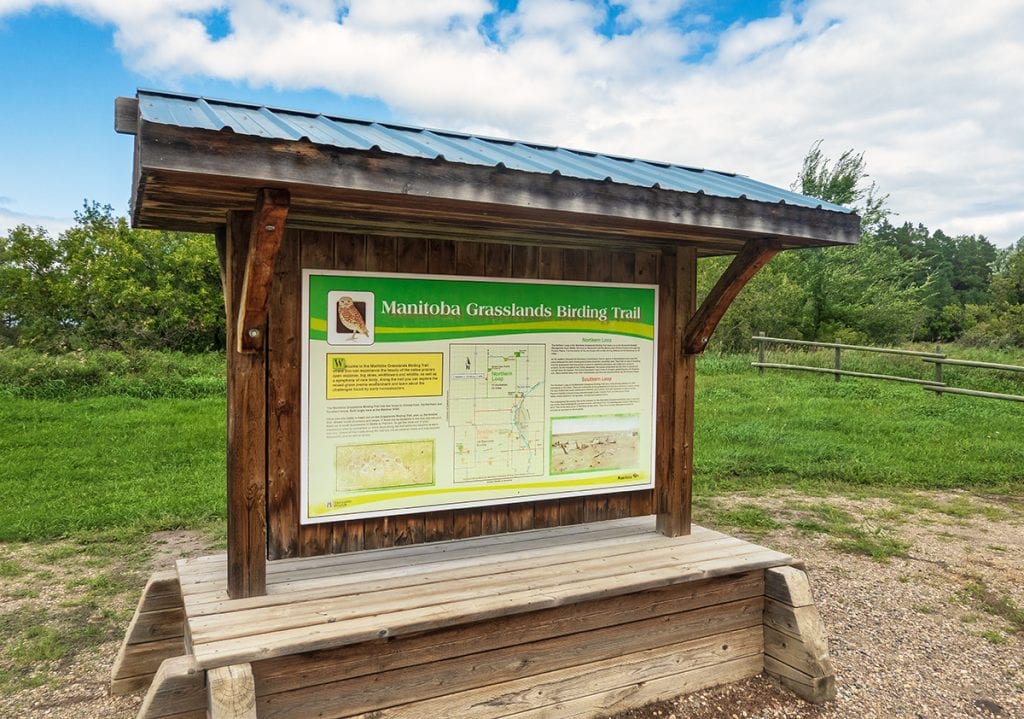
The region is recognized as an Important Bird Area – officially the Southwestern Manitoba Mixed-Grass Prairie IBA. Farmland mixed with tracts of rangeland, coulees, creeks, and woodlands make this a bird-watching hotspot. It’s considered the top place in Manitoba to find grassland rarities such as Loggerhead Shrikes, Burrowing Owls, Ferruginous Hawks, or Sprague’s Pipit. You can download a copy of the Manitoba Grasslands Birding Trail that guides you to prime spots throughout the region.
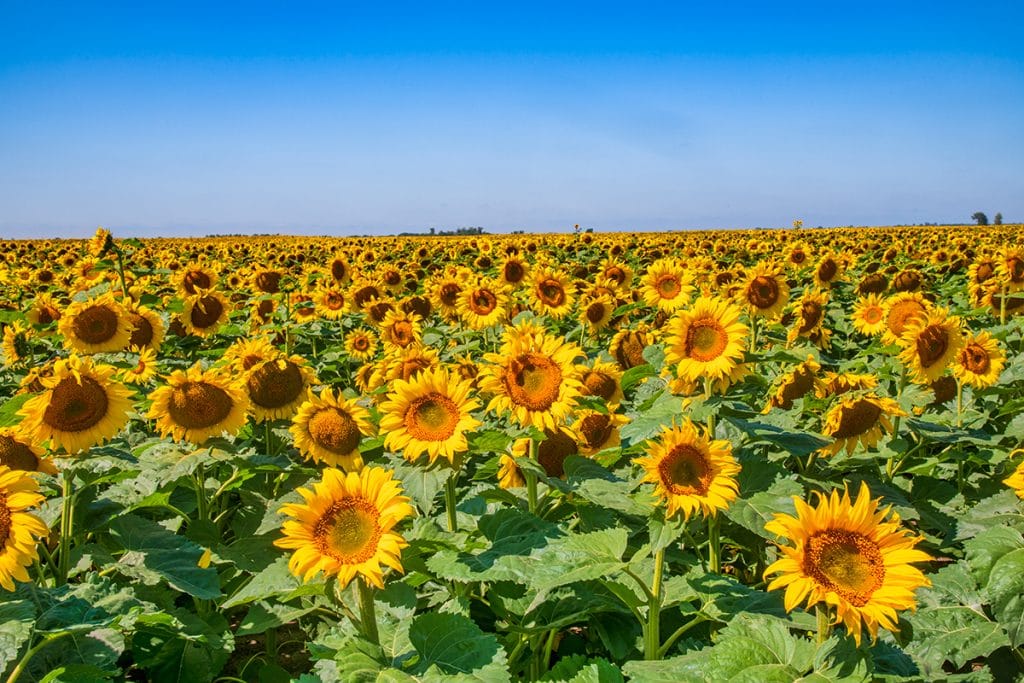
While the climate isn’t quite warm enough for bananas, it’s ideal for sunflowers. Southern Manitoba grows more than anywhere in Canada, especially around Melita. With their bold colours and cheery faces, nothing says summer like a sunflower.
Boissevain: The Gateway to Turtle Mountain
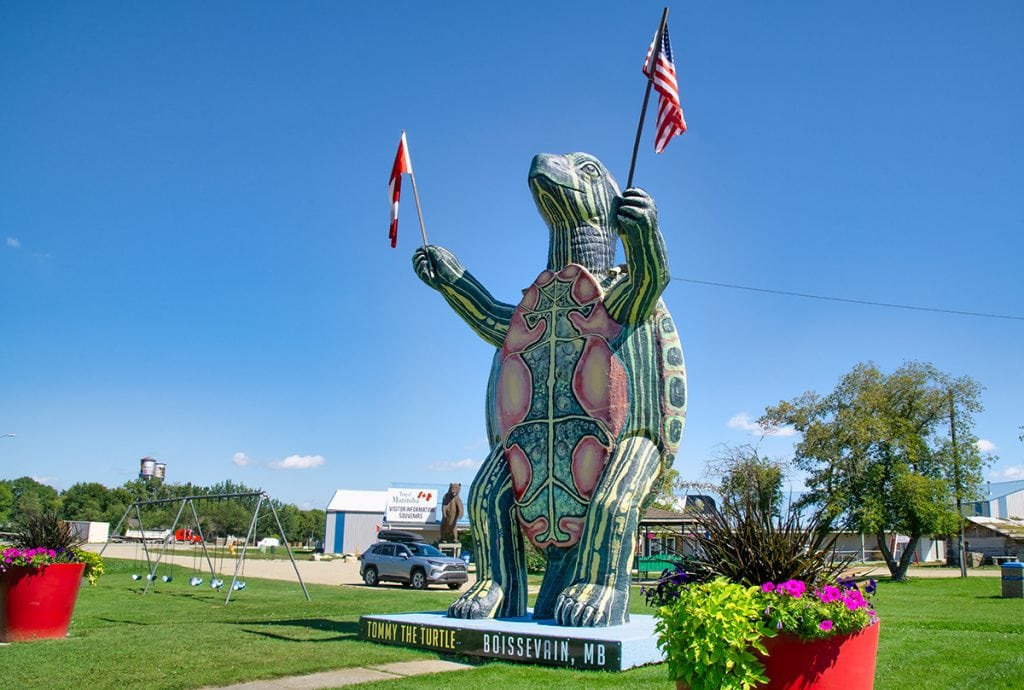
The Turtle Mountain hills lie just to the east, but on the way, it’s worth stopping in Boissevain, the main town in the region and gateway to the nearby parks and recreation areas. Here we’re greeted by yet another larger-than-life sculpture – nine-metre-high Tommy the Turtle, symbolic of the painted turtles that live in the wetlands of Turtle Mountain.
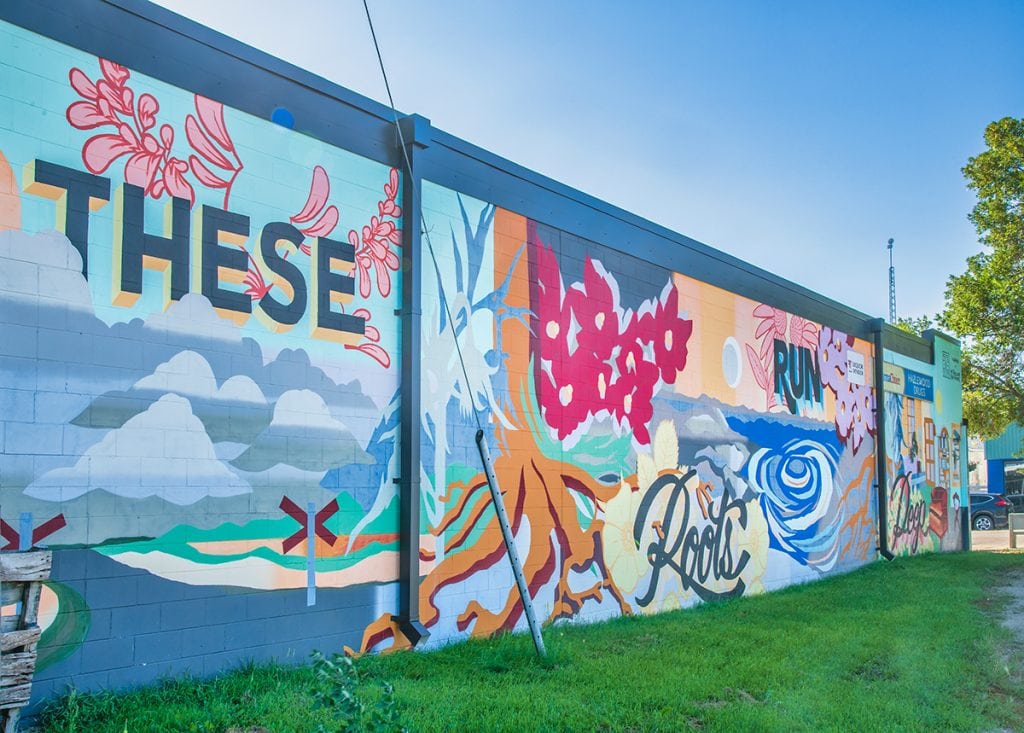
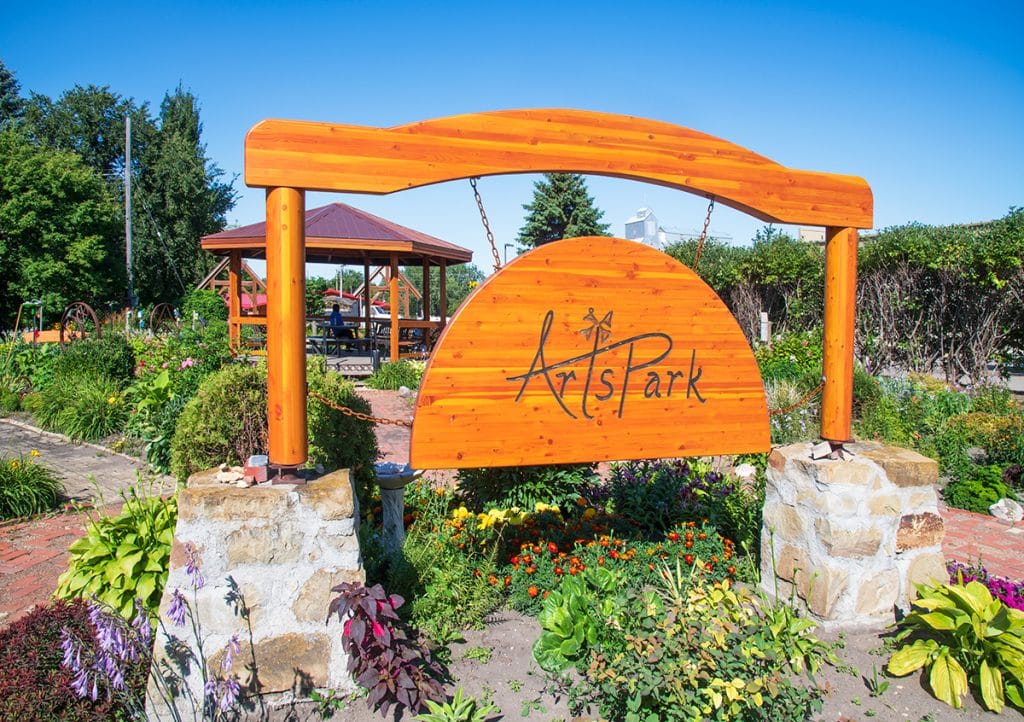
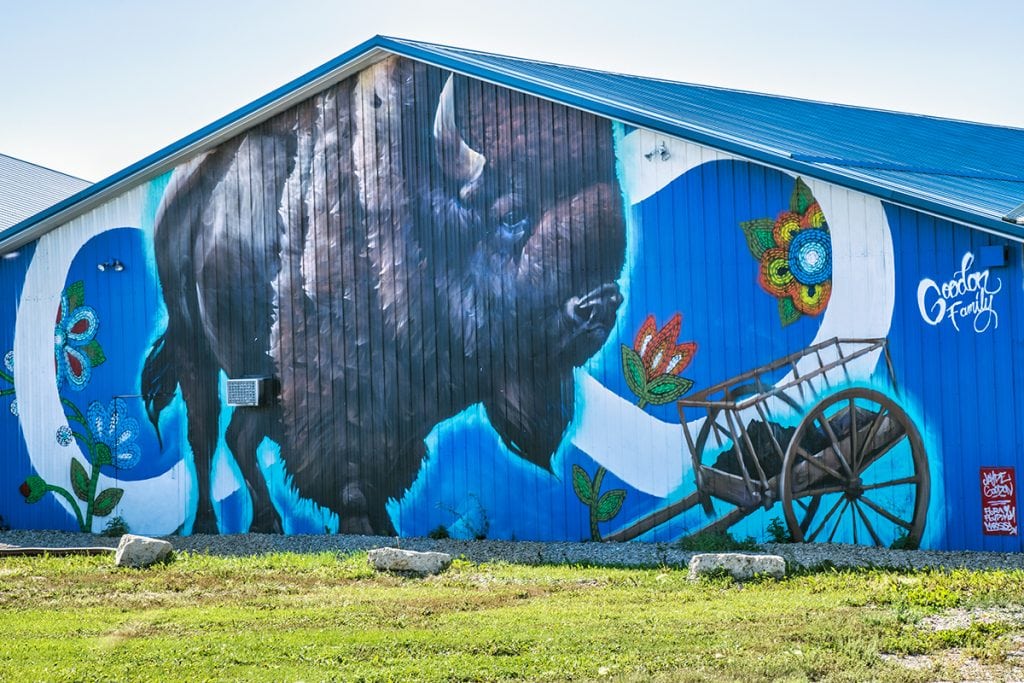
Boissevain is famous for its pleasant parks and outdoor art of 20 professionally painted large murals. They portray historical themes such as the importance of the railway, the coming of the North West Mounted Police, a pioneer kitchen, and the old sawmill. You can pick up a map showing locations of the murals at the visitor centre next to Tommy the Turtle.
Turtle Mountain Provincial Park
As we drive straight south of Boissevain on Highway 10, the terrain changes dramatically; we leave the mostly level farmland and climb into hills dotted with small lakes and wetlands, and covered in thick mixed forest with some of the largest oak trees in Manitoba. The Turtle Mountain hills were inhabited earlier than anywhere else in present-day Manitoba, since it was the first place to experience dry land after the retreat of the glaciers.
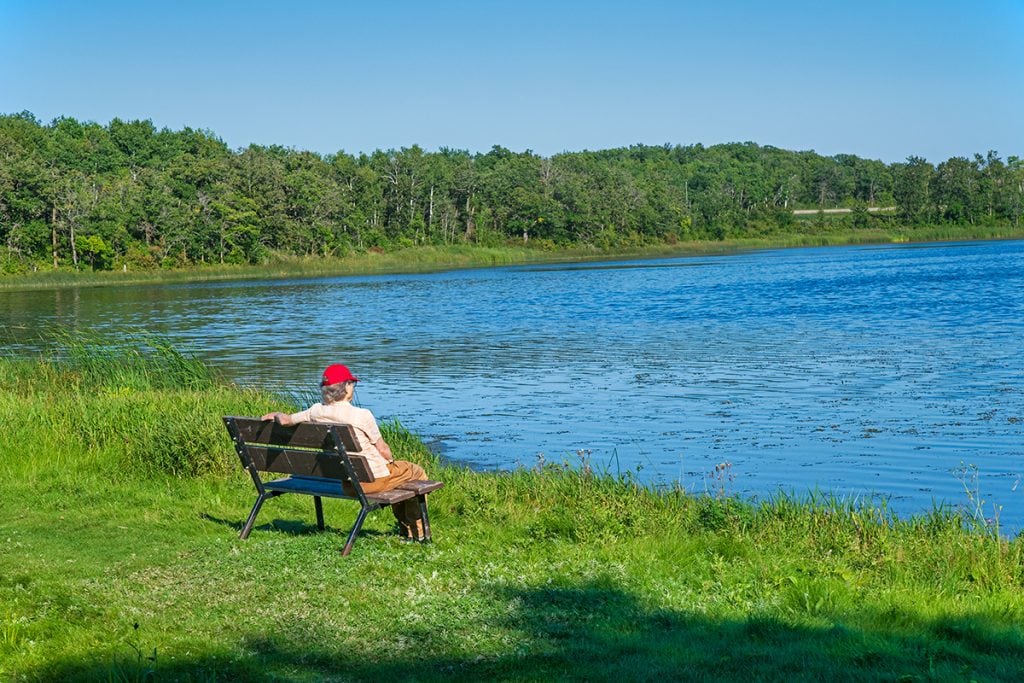
Much of the area, extending all the way to the USA border, is protected in Turtle Mountain Provincial Park – a wilderness playground for camping, hiking, biking, canoeing and kayaking, fishing, swimming, and just relaxing in unspoiled nature. While the park is popular, when we visited in summer, we didn’t find it crowded or overly busy.
The park has two road-accessible campgrounds, the main one being Adam Lake Campground along Highway 10. If you like camping, it’s hard to beat Manitoba provincial parks, which have some of the most reasonable camping fees in Canada. Our electrified campsite at Adam Lake, for example, was under $20 per night.
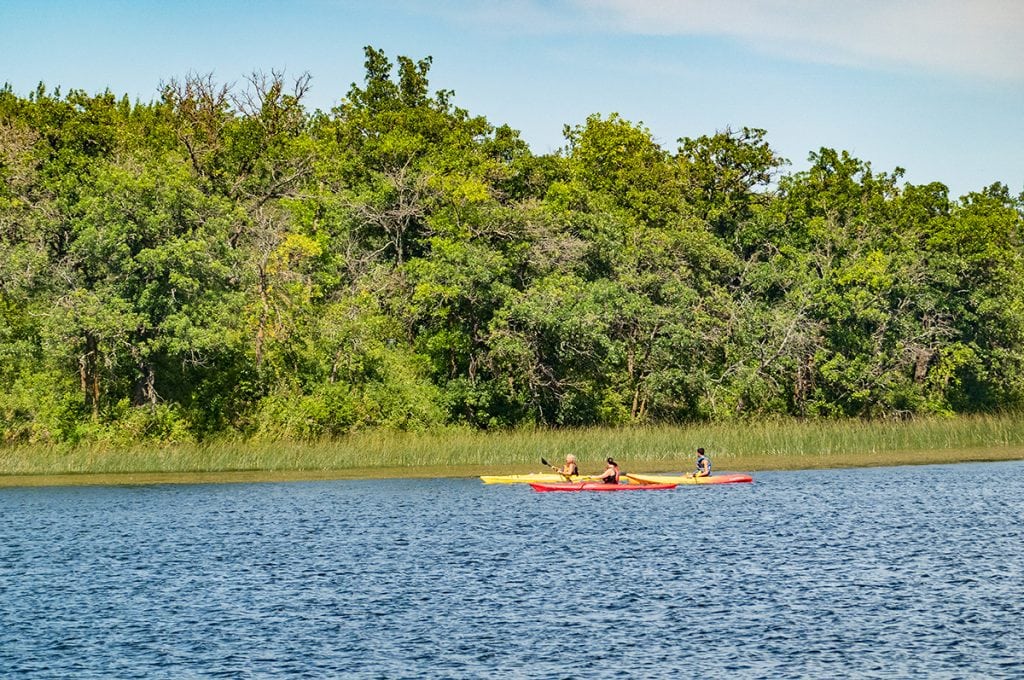
The second campground, with more basic services, is at Max Lake, a bit farther west and closer to the centre of the park. South of Max Lake, we find a third campground at Oskar Lake, though this one isn’t road-accessible and is intended for those on hiking, biking, or canoe trips.
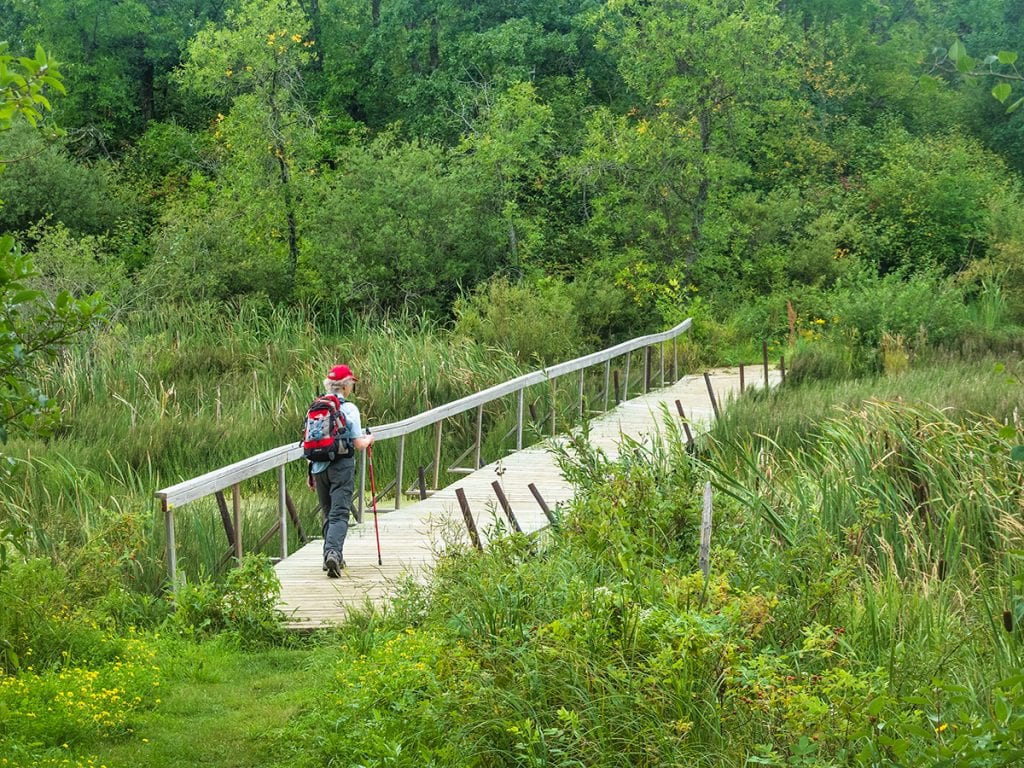
An extensive network of trails winds through the forested hills and beside lakes and wetlands, with most starting near Adam Lake. There’s everything from short strolls to a 9.7-kilometre loop circling Adam Lake, and longer backcountry treks. A unique walk is the Adam Lake Fitness Trail – a hike with exercise stations along the way.
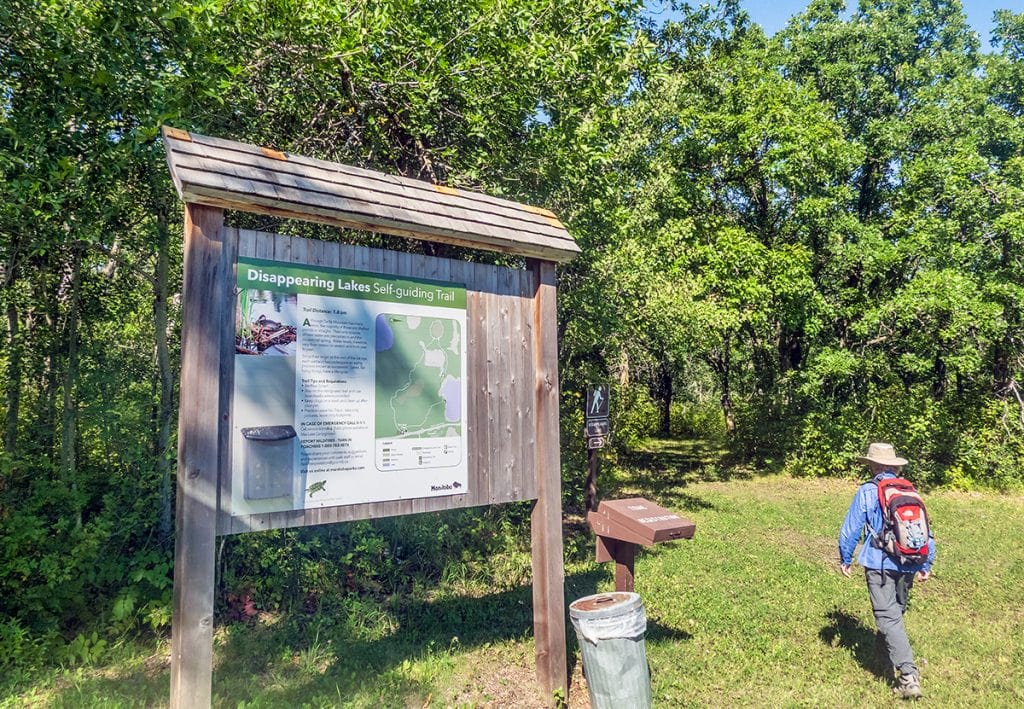
When we heard about a trail to the Disappearing Lakes, we just knew we had to check that one out. Located in the Max Lake area, it was an easy and pleasant two-kilometre self-guided loop hike. Interpretive panels along the trail show how shallow lakes that are common in the park have a life-cycle, changing with the seasons and from year to year, sometimes seeming to disappear.
William Lake Provincial Park
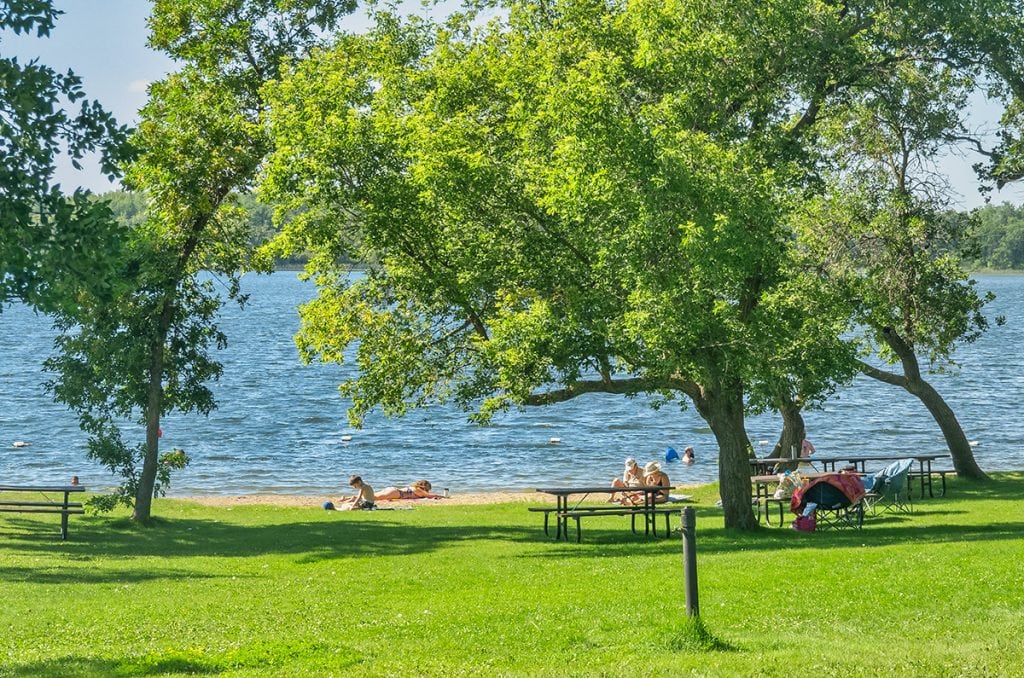
While still in the Turtle Mountain hills, William Lake is technically a separate park slightly to the east. You can easily visit it on a day trip if you’re staying at Adam Lake, although it has its own campground, beautifully situated next to the lake. Another draw of William Lake is that it has one of the nicest beaches.
The main reason to visit the park, in our opinion, is to hike the Turtle’s Back Trail. If you have time for only one hike during your visit, this should be it. The 6.5-kilometre loop takes you to the highest point in the hills. The trail runs mostly through forest, partially in the park, but also crossing a community pasture where cattle graze on grassy meadows.
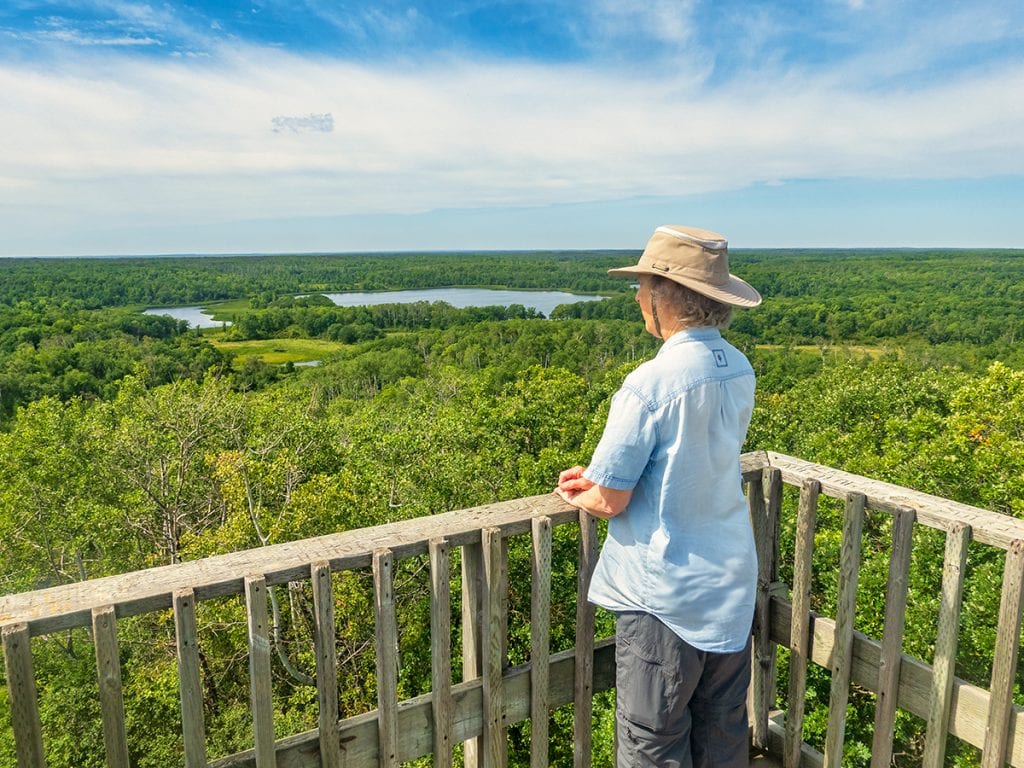
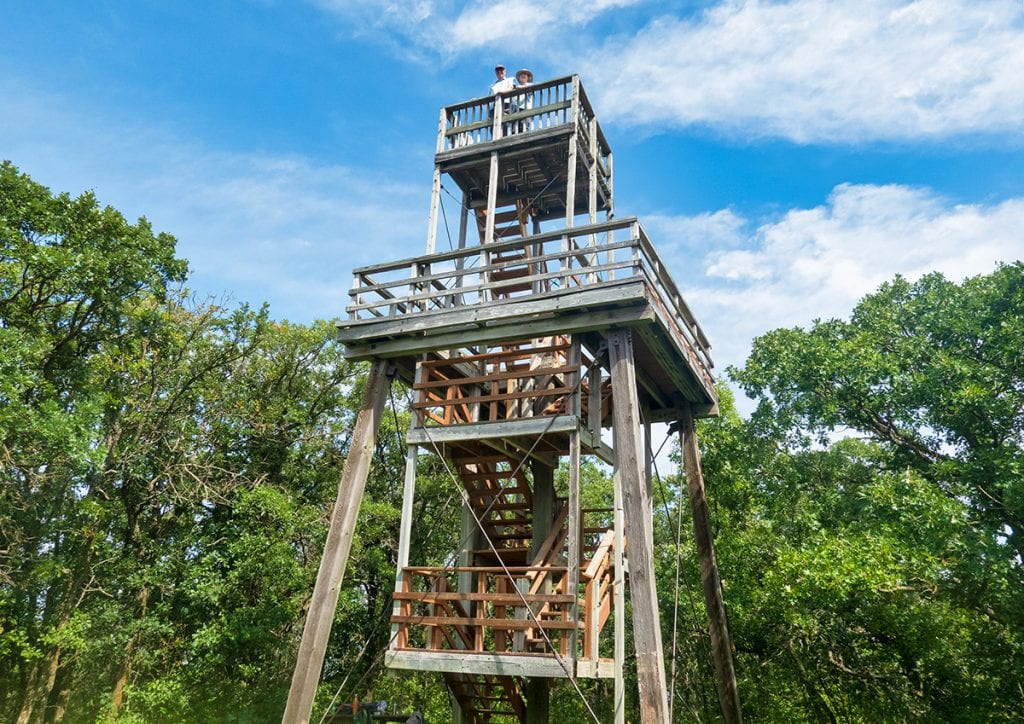
At the summit, you can climb a viewing tower to get above the trees with sweeping views in every direction. The hike is rated as Intermediate Difficulty with a short but steep incline near the top. There is nothing difficult about the walk, but there are plenty of ups and downs, and sections could be muddy after a rain.
International Peace Garden
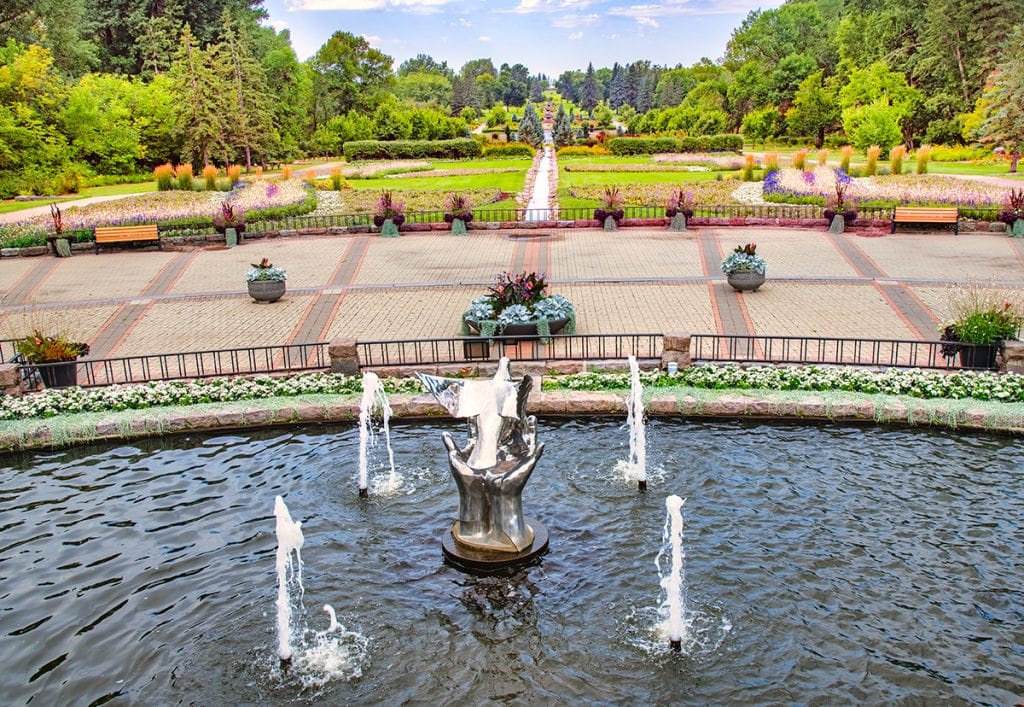
Adjoining Turtle Mountain Provincial Park, the International Peace Garden straddles the Manitoba / North Dakota border and is just a few minutes’ drive from the Adam Lake Campground. The Garden was established in 1932 as a symbol of peace and cooperation between the two countries. Despite current political challenges, the spirit of friendship still works here.
The location was by design. It was gardening associations that were originally behind the idea, and they wanted it to be near the geographical centre of North America. Manitoba and North Dakota donated the land to make up the 2,400-acre park.
The Garden’s political status is quite unusual, almost acting like a separate country, although it is a non-profit organization. We entered from the Canadian side and technically left Canada. However, we did not enter the United States. The only “border” formalities were paying the daily admission to the Gardens (currently $12). Then we could freely travel on both sides of the border within the park.
When leaving, the exit road meets the highway between the Canada and US border posts. So we had to go through Canadian customs and show passports when returning. The Peace Garden website indicates that a government-issued ID, such as a driver’s license, plus a birth certificate, would be acceptable as well.
Flower Power at the International Peace Gardens
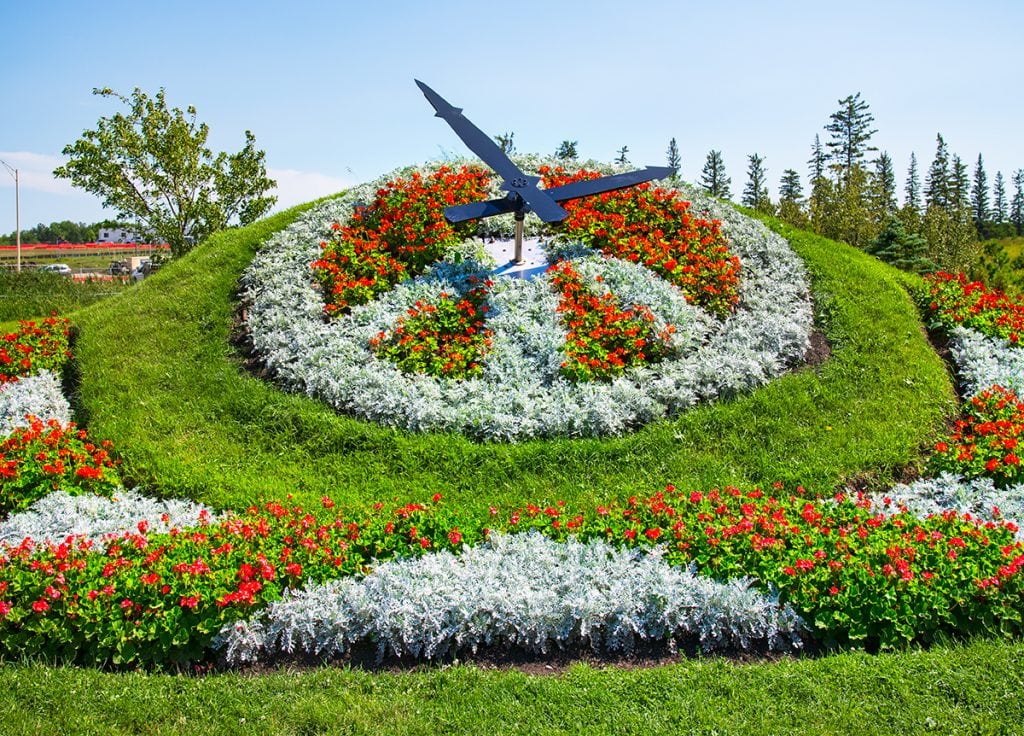
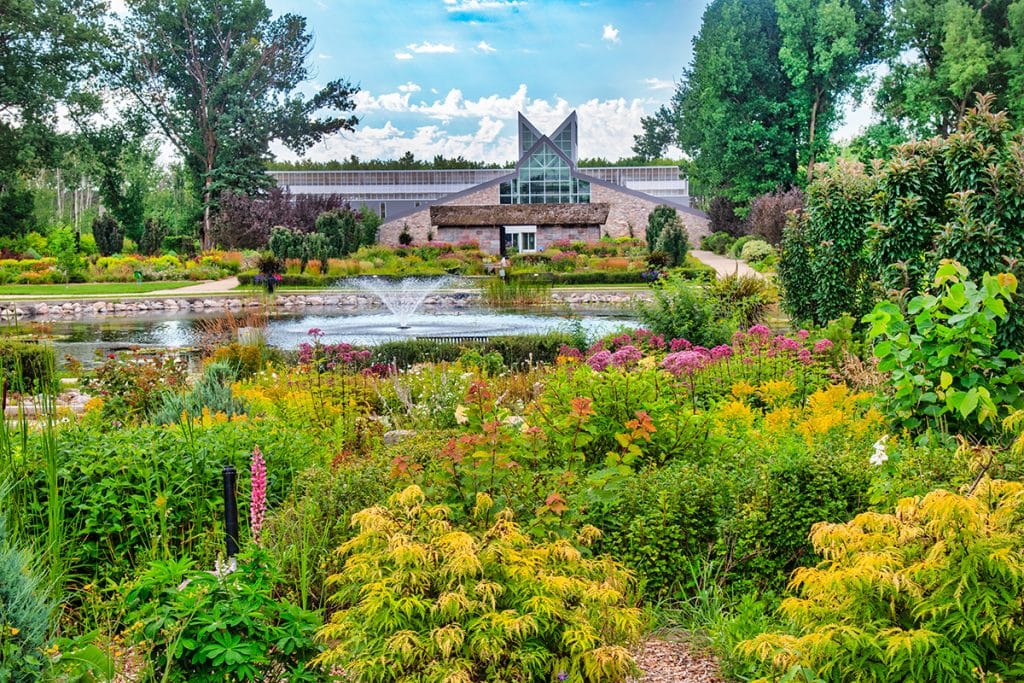
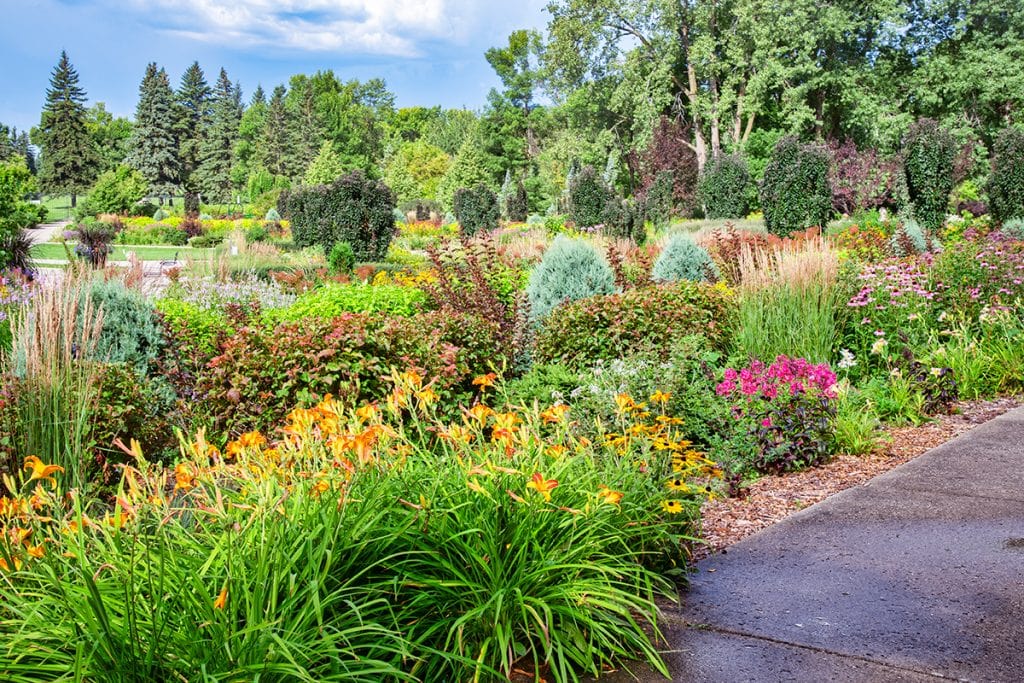
As the name suggests, plants and especially flowers take centre stage. The formal gardens alone have some 80,000 flowering annuals and perennials. Another 2,000 flowers make up the Floral Clock, which is a duplicate of the original Bulova Floral Clock in Berne, Switzerland. The main gardens extend along the border, where a man-made stream marks the line.
The grounds feature terraces, fountains, and pillars with messages in different languages promoting world peace. The gardens are not only for show. Specialty areas include a pollinator garden, a testing site for new seeds, and a kitchen garden growing fresh produce for the on-site café.
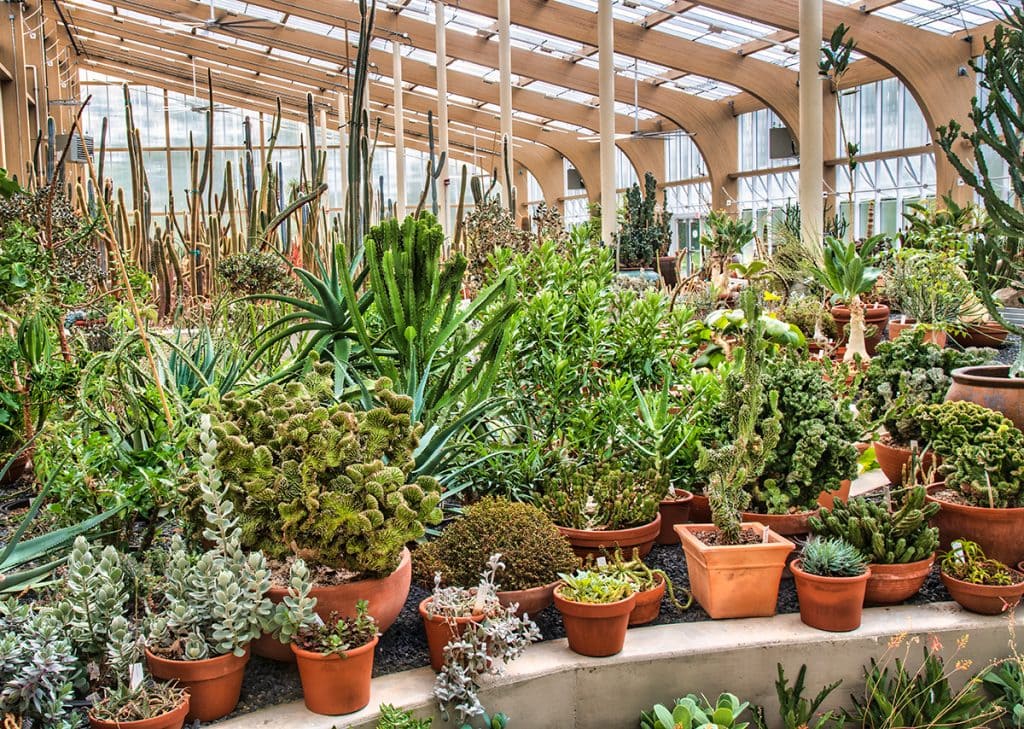
The large indoor Conservatory is home to the Vitko Collection, one of the world’s most diverse collections of cacti and succulents. North Dakota resident Don Vitko spent over 50 years collecting over 5,000 species, and then donated them to the Garden. We found it among the most intriguing displays, with every size and type of prickly plant you could imagine from throughout the world.
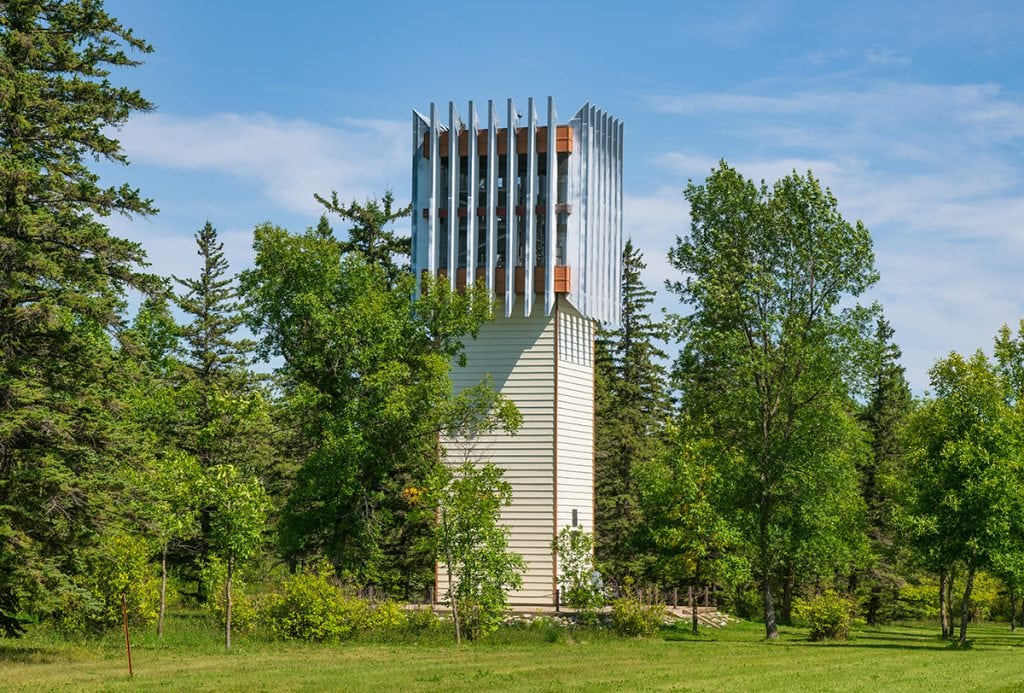
The walking path takes you past special attractions such as the Carillon Bell Tower, where Westminster chimes resonate throughout the grounds every 15 minutes. With a series of bells ranging in size from 20 to 200 pounds, it is one of only four chimes of its kind in the world. For many years, it was part of the United Church in Brandon, Manitoba, before being donated to the Garden.
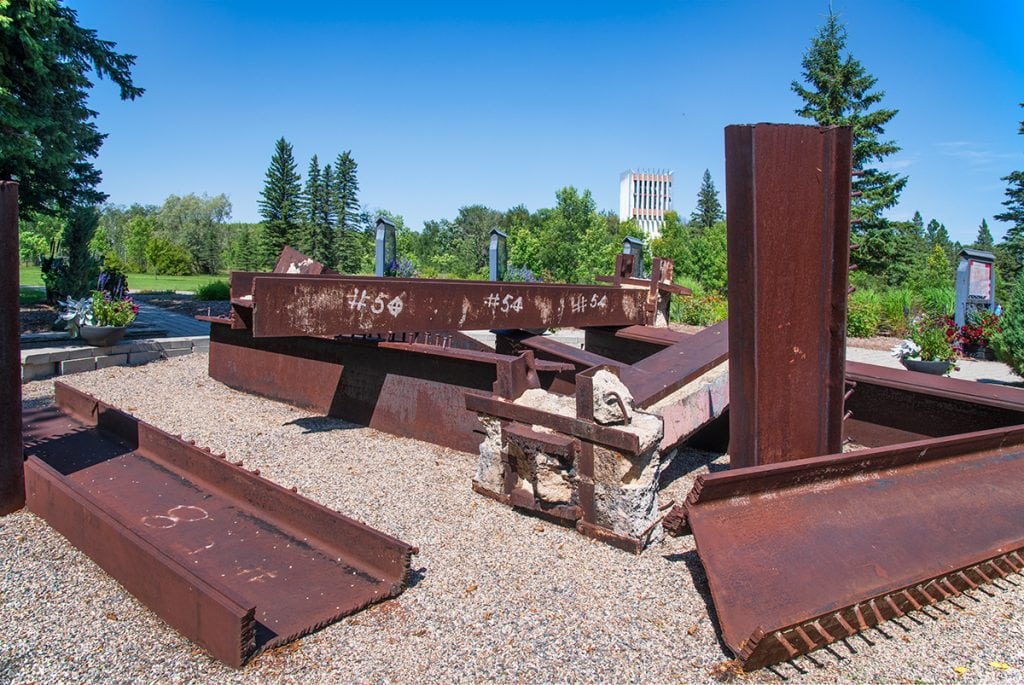
The Peace Chapel building has inscriptions with quotes on peace from world leaders and other notable people. A more sombre feature is the 9/11 Memorial, which incorporates actual fragments of steel girders from the collapsed Twin Towers in New York.
Take a Drive or Hike at the International Peace Gardens
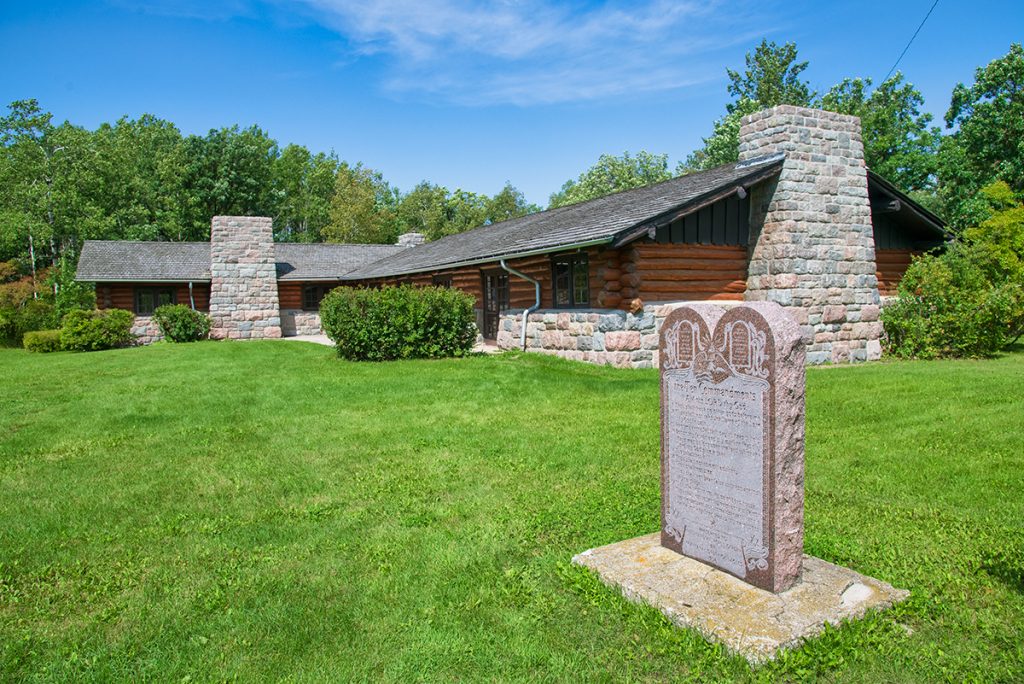
Besides the central displays, roads wind through natural terrain with views over lakes, trailheads for short hiking trails, and picnic sites along the way. The North Dakota side also has a campground and a historic stone lodge building dating to 1937 – the oldest building in the Garden.
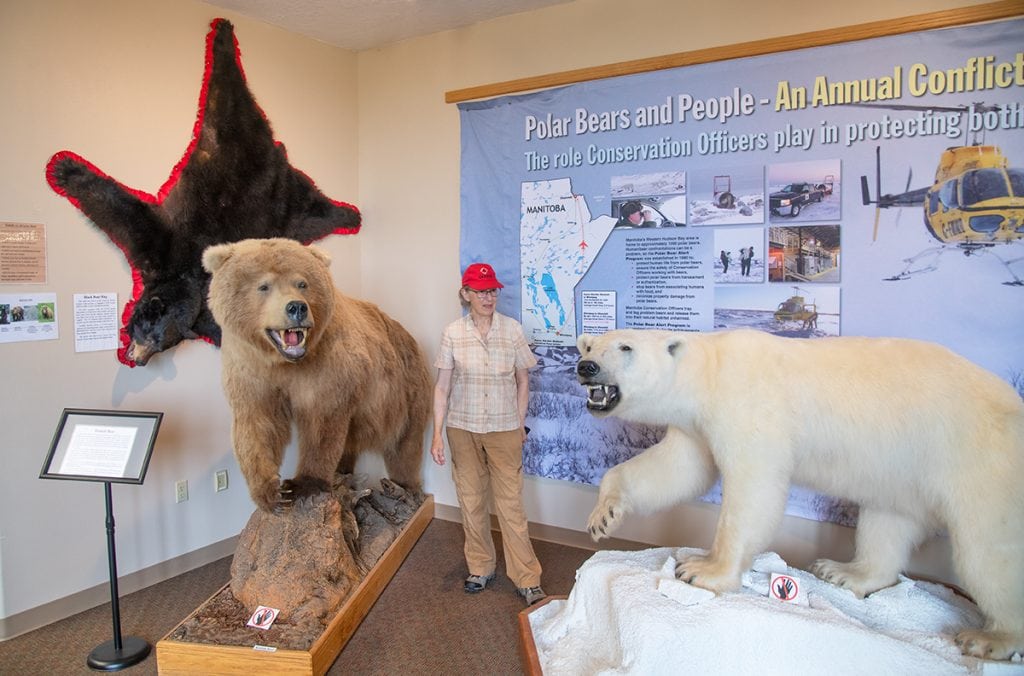
Our drive took us to the North American Game Warden Museum, which was unlike any other museum we have ever visited. It is dedicated to the work of game wardens and conservation officers in protecting natural resources. It was fascinating to see so many exhibits of illegal items such as taxidermied animals, hides, antlers, and more. Each has a story describing why and how it was confiscated. Outside is a memorial dedicated to officers who lost their lives in the line of duty, with names engraved on granite monuments representing all provinces, states, and federal agencies.
Put it all together, and we find that the southwest corner of Manitoba has a lot to offer. We can choose among places for bird-watching, hiking, biking or canoeing in unspoiled nature, visiting larger-than-life monuments, and marvelling at spectacular gardens with a unique history. A bonus is that we find all of this in a part of the country where we can escape the crowds.
Want more Manitoba? Check out our other travel guides below: